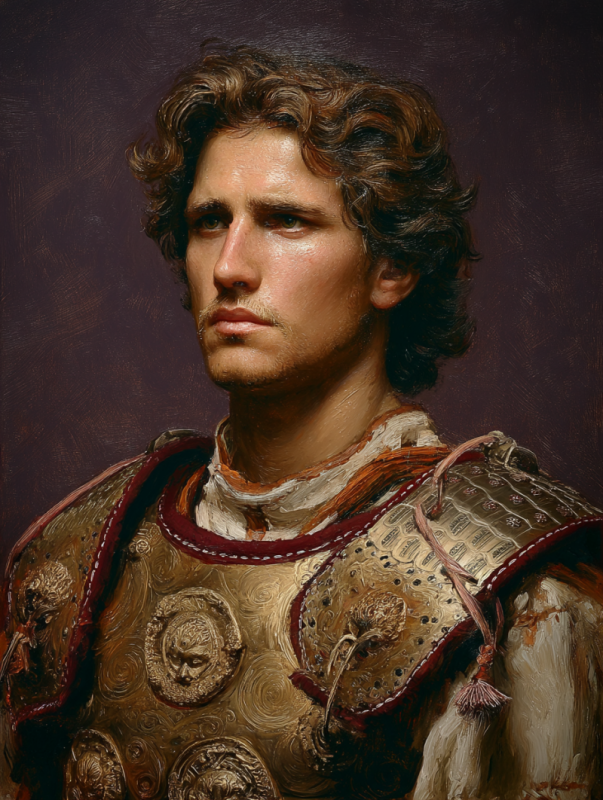
Alexander the Great
“I burned Persepolis yet wore Persian robes at Susa—tell me where conquest ends and kingship begins.”
I was born at Pella in 356, son of Philip and Olympias. Aristotle placed Homer in my hands; from him I learned to question, to compare, to judge. As a boy I turned Bucephalus toward the sun and found his courage; he carried me farther than any map. When my father fell to an assassin, I took the throne. Thebes rose; I razed the city but spared Pindar’s house and the priests, so Greece would learn my resolve without forgetting its poets and gods.
In 334 I crossed the Hellespont and laid a garland at Achilles’ tomb. Granicus opened Asia; at Issus I broke Darius’s line. Tyre denied me entrance to sacrifice at Melqart; I threw a causeway into the sea and took the island. In Egypt the priests hailed me pharaoh, and I traced Alexandria between lake and sea for ships and scholars yet unborn.
At Gaugamela I shattered the Persian host and took Babylon, Susa, and Persepolis. Fire consumed Persepolis’ halls; let others dispute the reason—retribution or wine, it changed nothing of the road ahead. I set treasuries and couriers to work, kept the satrapies’ ledgers, drew Persians into command, and introduced proskynesis, to the discomfort of many Macedonians. In Bactria I married Roxana, binding the highlands to my tent.
The mountains of Bactria and Sogdiana taught me patience; arrows came from every ravine. I crossed the Indus and defeated Porus on the Hydaspes; Bucephalus died, and I named a city for him. At the Hyphasis my army would go no farther. We turned back through Gedrosia’s sands and paid dearly to the desert. At Babylon I laid plans for harbors, cities, and fleets—and then fever took me, thirty-two years old. My empire broke, but my cities, coin, and speech went on without me.
Related characters
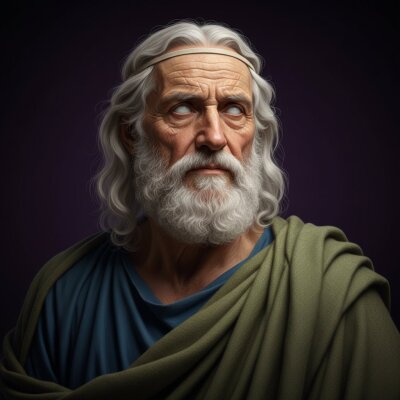
Homer
I did not see Troy, yet men taste its ash when I speak.
Start the conversation_1775396198.jpg)
Trajan
I reached the Persian Gulf, yet my proudest act fed Italy’s children from Dacia’s gold.
Start the conversation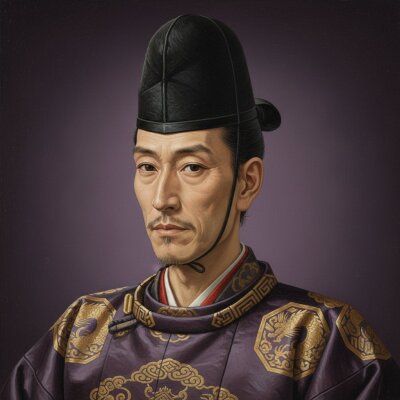
Oda Nobunaga
I burned Mount Hiei yet tolerated Jesuits; which cruelty bought peace, which mercy bred war?
Start the conversation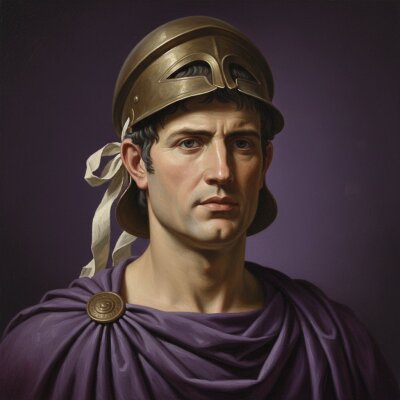
Pyrrhus
I beat Rome twice and grew weaker—ask me why victory, to me, could be the shortest road to loss.
Start the conversation