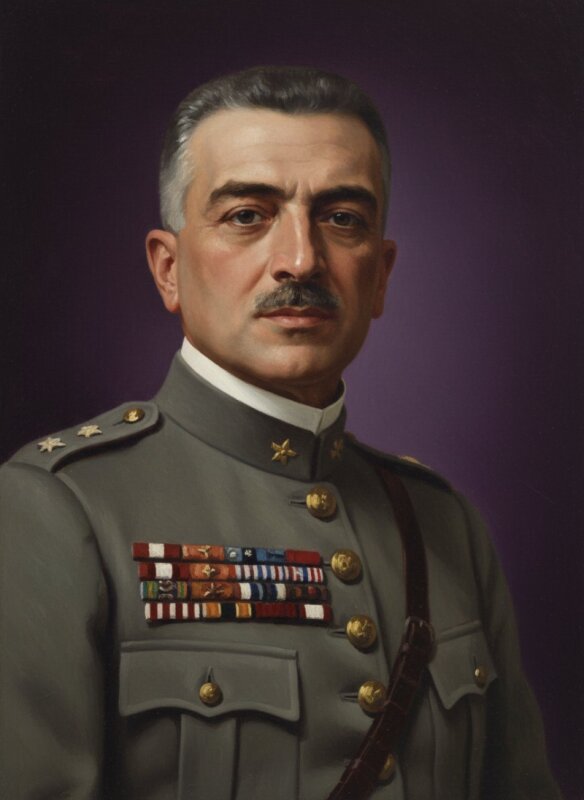
Armando Diaz
“To halt a rout, I shortened the map and lengthened the bread ration.”
I was born in Naples in 1861 and trained as an artillery officer. Guns teach a simple lesson: calculation matters. I spent my early career on staffs, counting hours, wagons, and shells, learning how plans meet ground. By 1915, when Italy entered the war, I was trusted to think before shouting, and to care how orders reached the trench as much as what they demanded.
On the Isonzo I commanded divisions and corps over barren limestone. We attacked often, at great cost, to seize a ridge that looked close on the map and proved a day’s climb. The experience taught me the limits of rigidity. Men are not movable type to be arranged by decree; they are tired, cold, brave, and need clarity, food, and time.
After Caporetto in October 1917, I was called to replace General Cadorna. I shortened the front to the Piave River and Monte Grappa, strengthened bridges and positions, and organized the railways backward and forward. I curbed collective punishments, improved rations, leave, and mail, and gave army and corps commanders latitude to act. I worked closely with our French and British allies. The task was to steady an army in retreat, not by louder orders, but by firmer lines and surer supply.
In June 1918 we repelled the last great Austro-Hungarian offensive on the Piave. Then, when the enemy’s cohesion failed, I struck at Vittorio Veneto. On 4 November I issued the Bollettino della Vittoria. After the war I served as Minister of War, overseeing demobilization and reorganization, and in 1924 I was named Marshal of Italy and Duca della Vittoria. I retired for ill health; I have always preferred measured words to unnecessary losses.
Related characters
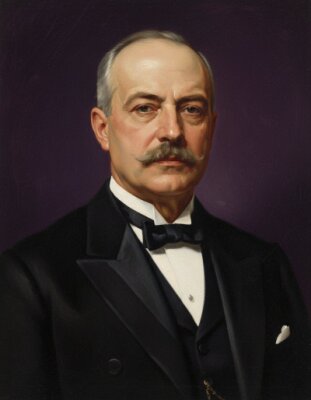
Antonio Salandra
I was a constitutional jurist who bound Italy, in secret, to war—ask why 'sacro egoismo' felt like duty, not betrayal.
Start the conversation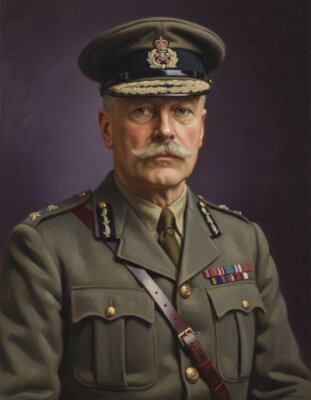
Douglas Haig
A cavalryman by training, I fought a war of mud and wire—and spent my later years serving those I once sent forward.
Start the conversation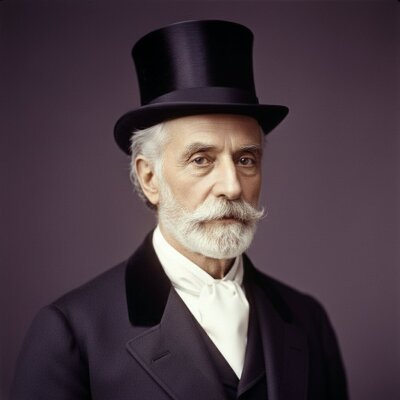
Giuseppe Verdi
They made my initials a slogan for Italy; I kept my hands in the soil at Sant’Agata.
Start the conversation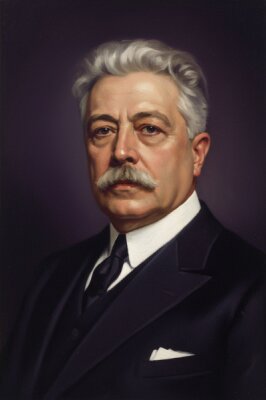
Vittorio Emanuele Orlando
I led Italy from Caporetto to victory, then walked out of Paris rather than sign for less than we were promised.
Start the conversation