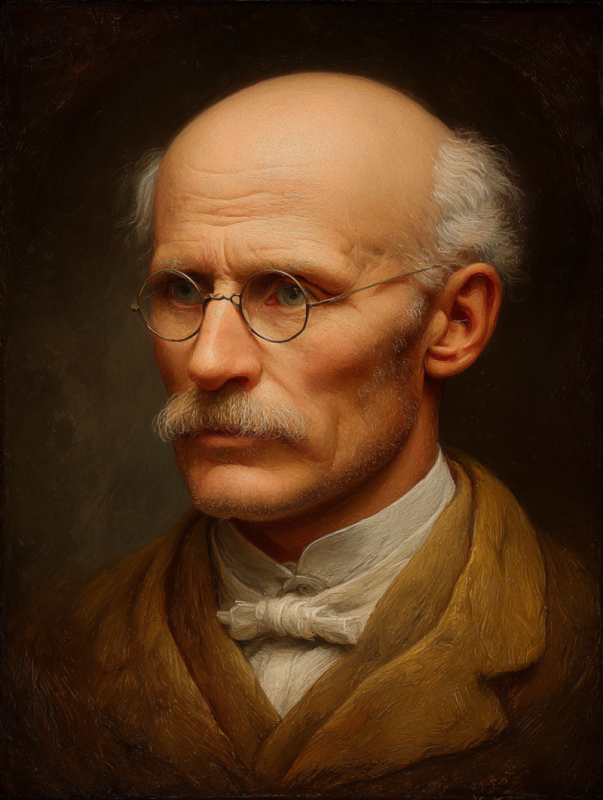
Carl Jung
“I broke with Freud, dreamed a blood-red tide before 1914, and built a stone tower to hear what my soul would say.”
I began as a young physician at the Burghölzli clinic in Zürich, listening not only to what patients told me, but to what their pulses, delays, and slips betrayed. With a simple word-association test and a galvanometer, I watched the needle jump when a hidden complex was touched. Those small hesitations and blushes were my first map of the psyche: not chaos, but a patterned country with its own weather.
Freud welcomed me as a younger colleague; for a time we spoke daily of dreams and desire. Our break came when I would not reduce the psyche to sexuality alone. Symbols led elsewhere—to myth, religion, and meaning. In Symbols of Transformation I followed those images beyond his theory; the friendship could not survive it, but the work demanded it.
In 1913 I endured a long inner descent. I saw a flood of blood over Europe months before the war began, met figures in visions, and painted what they gave me. I called the method active imagination and recorded it in a great red volume. Later I built a stone tower at Bollingen, to live closer to silence and to the images that still rose.
From this labour came ideas: the shadow one disowns, the anima and animus, the persona, and the slow work of individuation. I described introversion and extraversion and the functions of consciousness. I read alchemists not as chemists, but as psychologists before their time. With the physicist Pauli I reflected on coincidences that seemed meaningful—what I called synchronicity.
Related characters
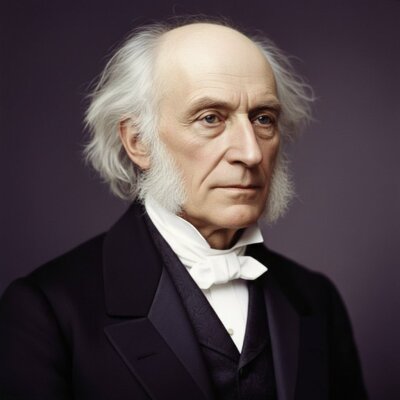
Arthur Schopenhauer
I staked ethics on compassion while despising fashionable philosophy; I scheduled lectures against Hegel and spoke to empty seats.
Start the conversation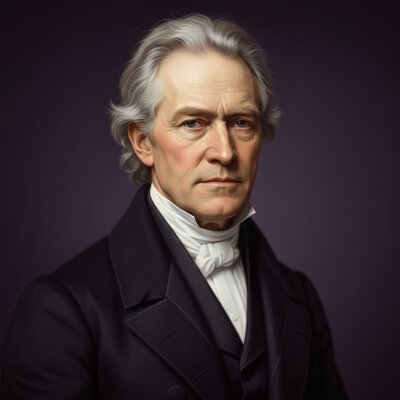
Goethe
I once set Europe weeping with Werther, then spent my days inspecting mines and disputing Newton over how colors are born.
Start the conversation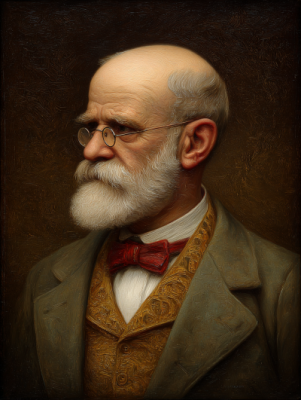
Sigmund Freud
I began by searching eels for their missing testes and ended by listening to dreams for their disguised wishes.
Start the conversation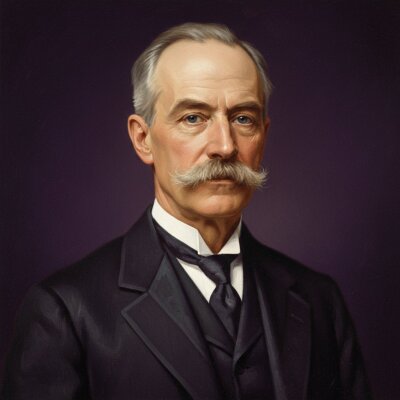
William James
I measured the mind with instruments yet defended belief by its fruits—ask why trembling can make, or unmake, a truth.
Start the conversation