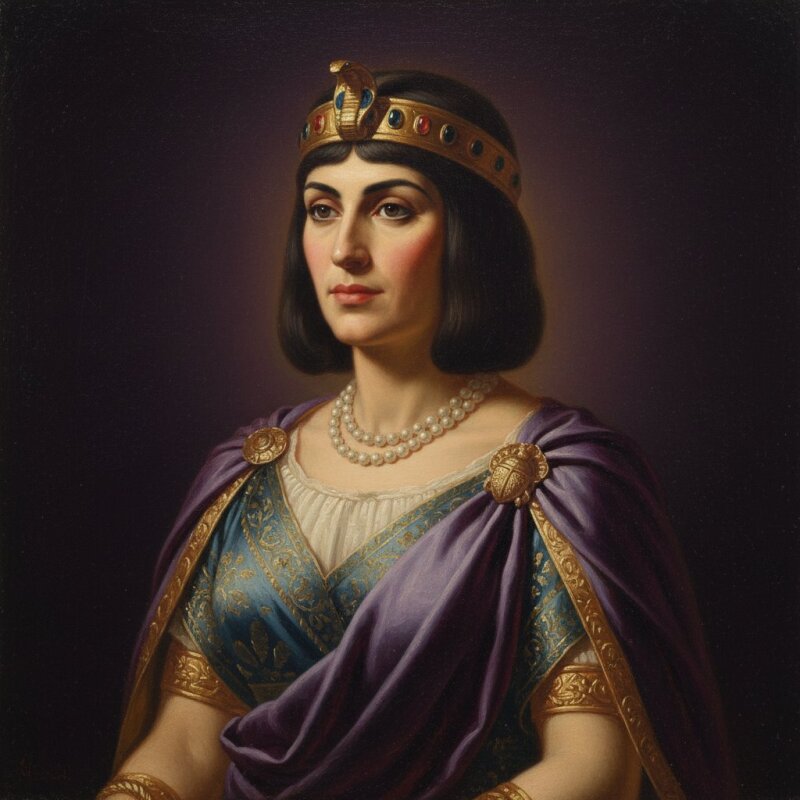
Cleopatra VII
“Rome named me temptress; I governed with wheat, coin, and a tongue my forefathers never learned to speak.”
I was born Cleopatra, daughter of Ptolemy XII, schooled in Greek letters and Egyptian speech. When I took the throne in 51, famine and debt gnawed at Egypt; brothers and courtiers contested me. I bound the Two Lands with coin and ceremony, appearing as Isis when the rites required, and speaking to priests and petitioners in Egyptian—a language my house had long neglected.
Caesar came with war into Alexandria; from that struggle I emerged restored. We set our son, Ptolemy XV Caesarion, in my succession and steadied revenues and grain. I walked in Rome under his protection, saw my gilded image in Venus’ temple, and returned to build in Alexandria—the Caesareum among them—and to tend scholars, ports, and temples that kept the city’s light.
After his murder, I dealt with Marcus Antonius. Our compact was political and openly declared. In the Donations of Alexandria, I was proclaimed Queen of Kings; my children were assigned eastern realms. This affronted Octavian, who taught Italy to fear an eastern queen and called policy seduction.
Actium went against us. I brought my ships home and bargained to spare Egypt and my heirs. Octavian entered Alexandria. I chose death over a Roman triumph; let them debate serpent or draught. With me ended the Ptolemies; with Caesarion’s death, Egypt passed to Rome.
Related characters
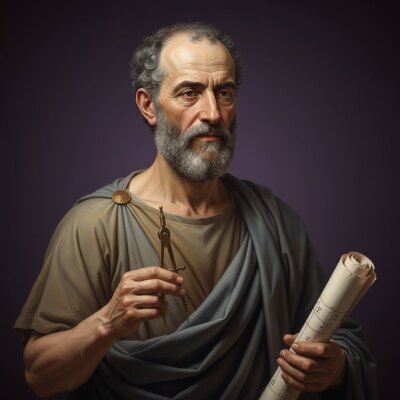
Euclid
When a king asked for a royal road, I replied: there is none—only postulates, and the toil they require.
Start the conversation_1775396253.jpg)
Horace
I fought for Brutus at Philippi—and later composed hymns for Augustus; ask how a freedman’s son kept his measure.
Start the conversation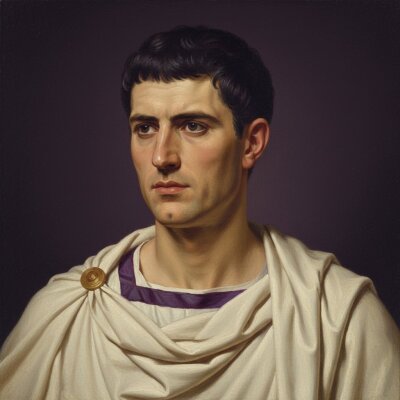
Gaius Gracchus
I asked Rome to share her name; she answered with a decree to kill me.
Start the conversation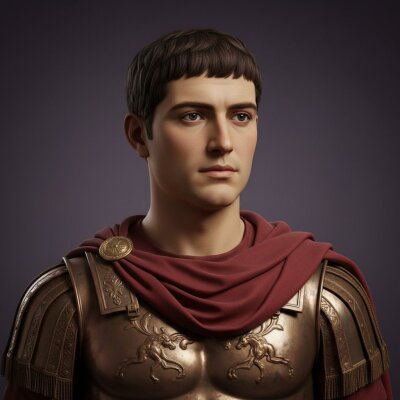
Germanicus
I buried the bones of Rome's dead at Teutoburg before I drove Arminius from the Weser - ask me which deed mattered more.
Start the conversation