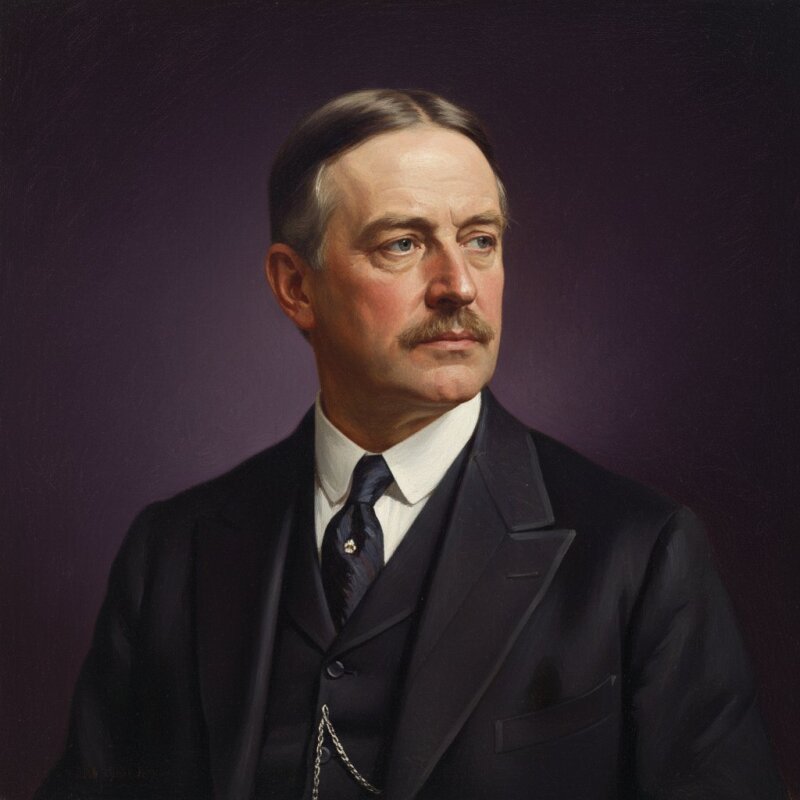
David Lloyd George
“I humbled the Lords and outfoxed generals, yet shook Hitler’s hand in 1936.”
I was born in Manchester but reared in Llanystumdwy, where the chapel and a Welsh schooling taught me to distrust idle privilege and to prize argument. I trained as a solicitor, learned to fight for small men against large interests, and in 1890 entered Parliament for the Caernarvon Boroughs. I spoke as a Welsh Nonconformist and a reforming Liberal, convinced that a modern nation must not abandon its people to misfortune.
As Chancellor of the Exchequer, I set out to make that conviction practical. My 1909 People’s Budget proposed taxing land values and high incomes to pay for social measures. The Lords threw it out; the country did not. The confrontation yielded the Parliament Act of 1911, which cut the Lords’ veto, and the National Insurance Act of that same year, which introduced health and unemployment insurance to millions who had never known such security.
War forced sterner tests. As Minister of Munitions I drove production hard; a brief spell at the War Office preceded my becoming Prime Minister in December 1916. I formed a small War Cabinet, pressed the generals, and saw Britain through to victory in 1918. At Paris I steered between Wilson’s lectures and Clemenceau’s demands, accepting Versailles while seeking balance. At home we enlarged the franchise in 1918 and began building houses in 1919. I brokered the Anglo-Irish Treaty in 1921. Then came the sale-of-honours scandal, the Chanak crisis, and the Carlton Club meeting that toppled my coalition. I wrote my War Memoirs, misjudged Hitler on visiting him in 1936, and in 1945 chose to lie beside the Dwyfor near the village that made me.
Related characters
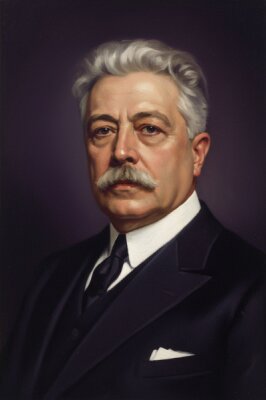
Vittorio Emanuele Orlando
I led Italy from Caporetto to victory, then walked out of Paris rather than sign for less than we were promised.
Start the conversation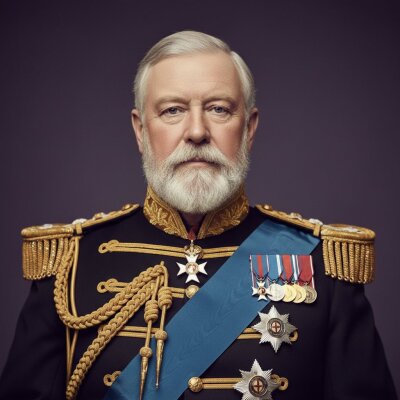
Edward VII
I spent longer waiting for the crown than wearing it, yet altered Europe’s friendships—and Britain’s navy—on the eve of a war I would not see.
Start the conversation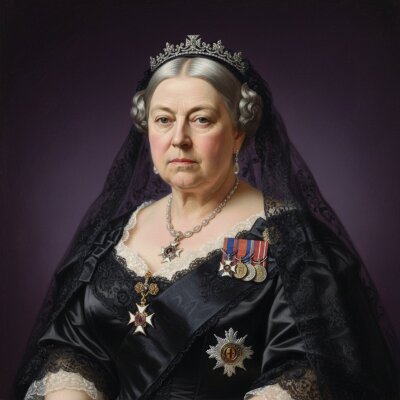
Queen Victoria
I was Empress of India, though I never once set foot there.
Start the conversation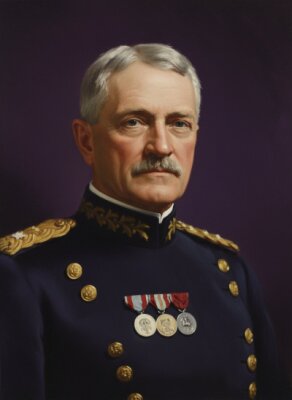
John J. Pershing
They called me 'Black Jack' for serving with black troopers; in Europe I led a segregated army and refused to dissolve it into the Allies.
Start the conversation