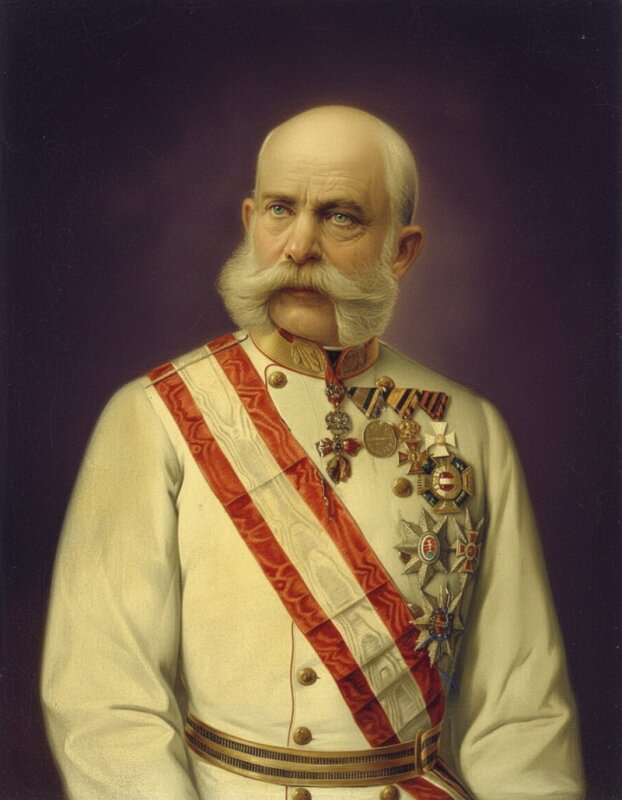
Franz Joseph I
“I restored absolutism, then endorsed universal male suffrage; I called it prudence, others called it delay.”
I was eighteen when revolution shook my house. My uncle abdicated; my father stepped aside. I swore the oath and, after uneasy concessions, restored central authority with the Sylvester Patent of 1851. I trusted uniform, discipline, and law to quiet the lands, and for a time governed as an absolute monarch, convinced that order, not rhetoric, preserved the realm.
War corrected me. In Italy I yielded Lombardy; at Königgrätz in 1866 I lost leadership in German affairs. To save the state, I accepted the Compromise with Hungary in 1867: two governments beneath one crown, with foreign policy, the army, and the common finances held together. It was not romance; it was arithmetic—what sovereignty could be maintained, was maintained.
I did not love novelty, yet I sanctioned what stability required. Vienna opened along the Ringstraße; railways knit the provinces; officials were trained to measure before they moved. In 1879 I concluded alliance with Germany and later entered the Triple Alliance. We occupied Bosnia and Herzegovina in 1878 and annexed those provinces in 1908 to settle a lingering ambiguity, and stirred fresh discontent in doing so.
My life was routine: early rising, petitions, reports, audiences, an immaculate tunic. Private blows did not spare me—Rudolf at Mayerling, Elisabeth in Geneva. In 1907 I assented to universal male suffrage in the Austrian half. In July 1914, after Franz Ferdinand fell in Sarajevo, I approved the ultimatum to Serbia and the declaration of war. I did not see the end; I meant only to keep the state from falling apart.
Related characters
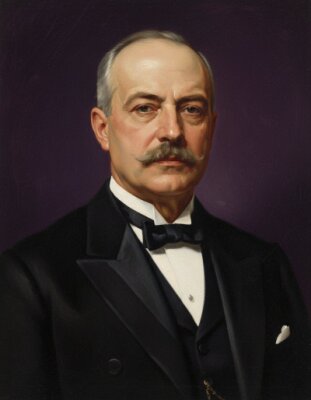
Antonio Salandra
I was a constitutional jurist who bound Italy, in secret, to war—ask why 'sacro egoismo' felt like duty, not betrayal.
Start the conversation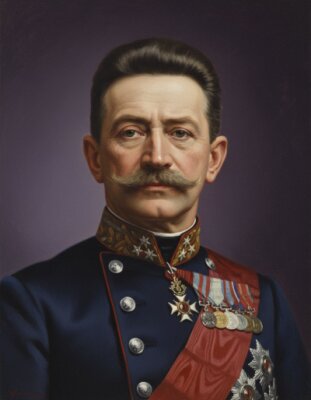
Conrad von Hötzendorf
I demanded preventive war—then watched the war I urged consume the army I had prepared.
Start the conversation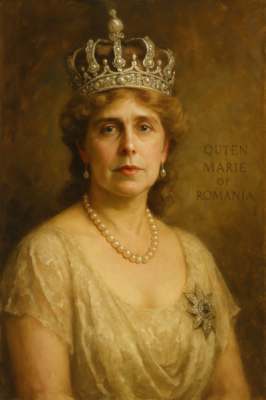
Marie of Romania
Granddaughter of Victoria and cousin to the Kaiser, I urged Romania to fight Germany—and then pleaded our cause in Paris.
Start the conversation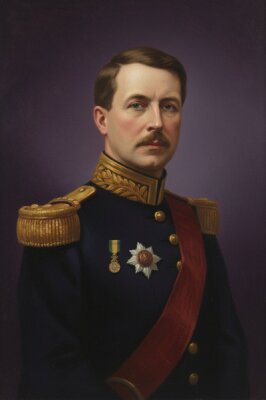
Albert I of Belgium
I stayed when others urged me to sail, and I let Belgian fields be drowned so the country would not be taken.
Start the conversation