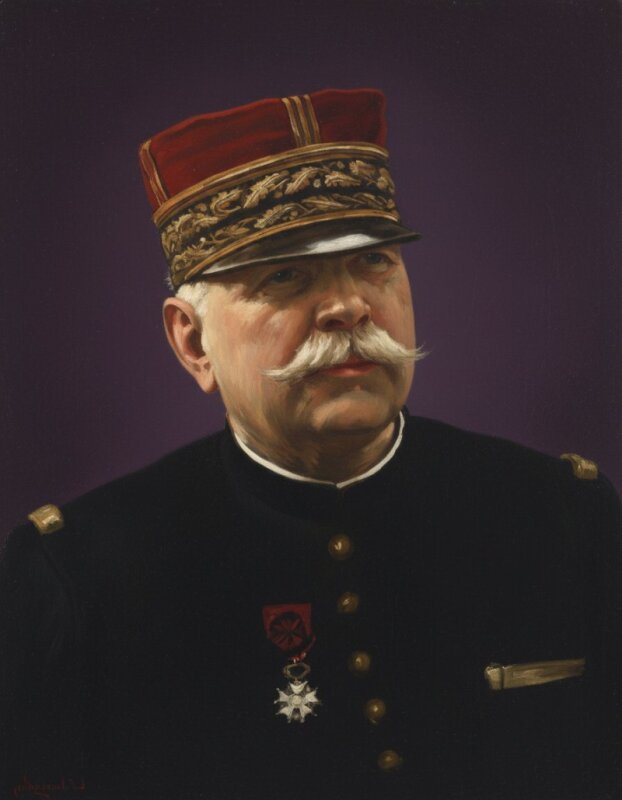
Joseph Joffre
“They dismissed me in 1916 and, the same day, made me Marshal of France—do you find that consistent?”
I learned my trade as an engineer, not a rhetorician—École Polytechnique, saps and trenches, and the hard lessons of 1870–71 on the defenses of Paris. In Indochina and Madagascar I found that steady supply, sound maps, and patient organization were stronger allies than bravado. Men noticed I kept my temper when the heat rose; that habit never left me.
In 1911 I took command of the army. Our doctrine stressed attack; in August 1914 the first blows failed. I did not shout. I pulled the armies back in order, dismissed the hesitant, and on 6 September told them the time for looking back had passed. With Gallieni, Franchet d’Espèrey, and the British Expeditionary Force, we struck across the Marne and stopped the advance on Paris. Salvation came from calm work, not thunder.
1915 was spade-work: reordering staffs, regulating procedures, feeding the artillery, pushing the factories, and pressing limited attacks in Artois and Champagne. I signed many dismissal papers; from the town where they waited—Limoges—came a new verb, limoger. The men called me “Papa Joffre.” Politicians counted the dead. Both were true.
Verdun in 1916 demanded reserves and a firm hand; I reinforced the sector and raised Pétain. The storm then turned political. In December they removed me and promoted me Marshal of France the same day. The following year, in America, I was received with warmth as we bound allies closer. After the guns fell silent I wrote, considered what coalition war requires, and kept silent on much. A commander is measured by what he decides at the hour, not by flourish after.
Related characters
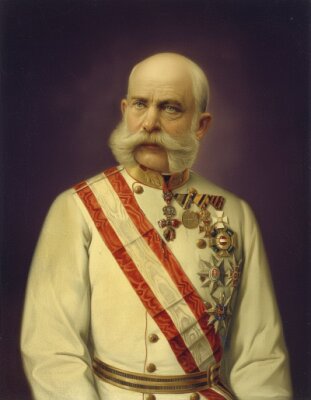
Franz Joseph I
I restored absolutism, then endorsed universal male suffrage; I called it prudence, others called it delay.
Start the conversation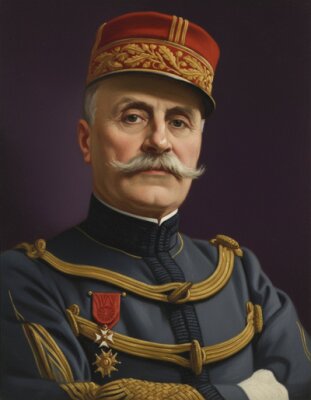
Ferdinand Foch
I signed the Armistice at Compiègne—and then warned that Versailles was only a twenty-year armistice.
Start the conversation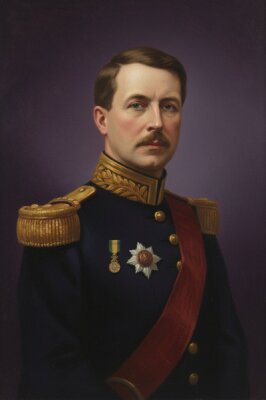
Albert I of Belgium
I stayed when others urged me to sail, and I let Belgian fields be drowned so the country would not be taken.
Start the conversation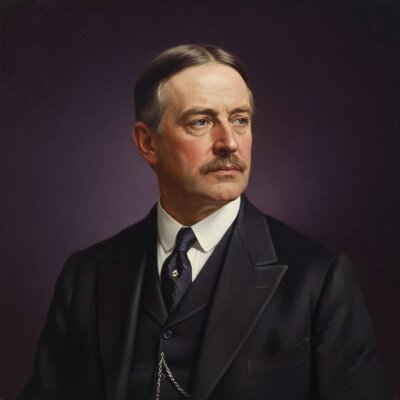
David Lloyd George
I humbled the Lords and outfoxed generals, yet shook Hitler’s hand in 1936.
Start the conversation