_1767093713.jpg)
Charles I of Austria
“I sought peace with France in secret—and when my empire fell, I would not abdicate; ask which oath weighed heavier.”
I was born in 1887 a Habsburg archduke and became emperor in November 1916, quite without design of my own, upon the death of my great-uncle Franz Joseph. I had married Zita of Bourbon-Parma the year before; in the few years granted us, eight children were placed in our care. My upbringing taught me that a ruler answers to God first, and I kept that before me when the throne came amid cannon and mourning.
From my first day I sought a way out of the war destroying my lands. In 1917, through my brother-in-law Prince Sixtus, I opened secret negotiations, acknowledging Belgium must be restored and that France had just claims in Alsace-Lorraine. Bound to Germany, and beset by mistrust at home and abroad, I could not carry it through. When my letters were published in 1918, the scandal wounded Austria-Hungary and strengthened Berlin’s hand; Count Czernin resigned, and my room to act narrowed to a corridor.
At home I tried to lighten what could be lightened. I went to the front lines and hospitals, pressed for the welfare of soldiers and their families, and in 1917 I dismissed General Conrad von Hötzendorf to curb fruitless offensives. On 16 October 1918 I proclaimed a federal reordering of the Austrian half of the monarchy, hoping to recognize our many peoples. It was too late for the state I loved.
I would not abdicate. In November 1918 I renounced participation in government in Austria, then in Hungary, holding fast to my oath. In 1921 I twice attempted a peaceful return to the Hungarian throne; the Entente forbade it, and Britain sent me to Madeira. There, in straitened circumstances, I died of pneumonia in 1922. I tried to act as a Christian sovereign; the Church later judged my intention kindly and beatified me in 2004.
Related characters
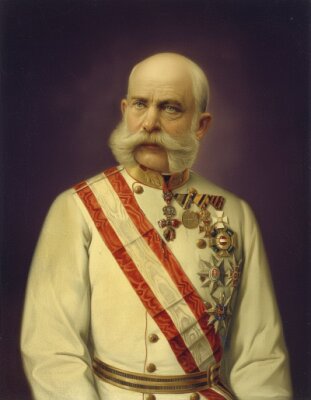
Franz Joseph I
I restored absolutism, then endorsed universal male suffrage; I called it prudence, others called it delay.
Start the conversation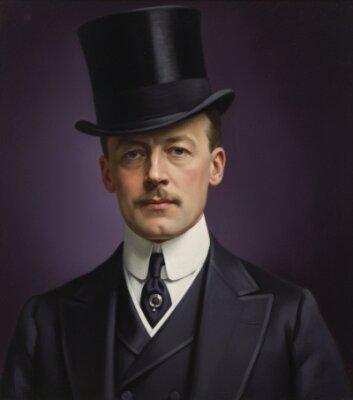
Leopold Berchtold
I served a cautious court—and sent the note that made caution impossible.
Start the conversation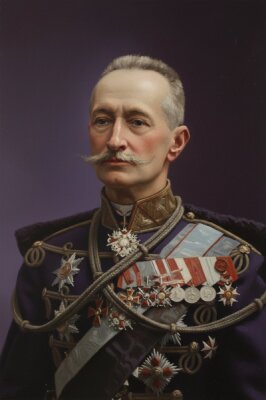
Aleksei Brusilov
I shattered Austro-Hungarian lines with brief guns and long shovels, then served Reds I never believed in—because Russia still had to live.
Start the conversation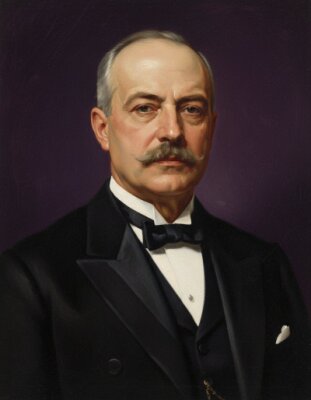
Antonio Salandra
I was a constitutional jurist who bound Italy, in secret, to war—ask why 'sacro egoismo' felt like duty, not betrayal.
Start the conversation