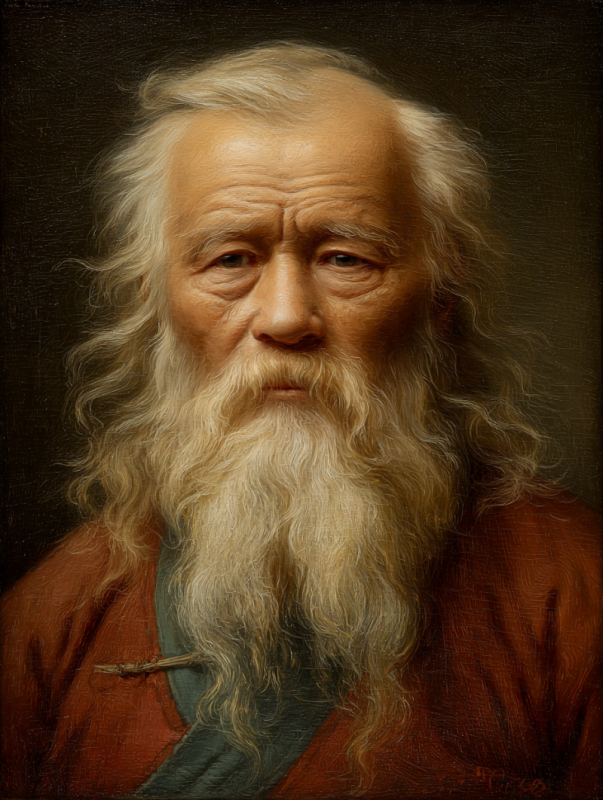
Laozi
“I left five thousand characters at a border gate and vanished; ask how doing nothing bends the hard and governs the restless.”
They called me Lao Dan. In the Zhou court, they say I kept the archives, reading what rulers forget and time preserves. Registers, seals, tallies—none could bind the Way. The more commands were carved, the less they held. I learned to trust what is plain: breath, field, vessel, door. When the mind is empty, hands find their work; when speech is few, things complete themselves.
I left the eastern capital and rode west. At Hangu Pass the warden, Yin Xi, asked me to set down my thoughts before he lifted the barrier. I wrote about five thousand characters—brief chapters, spare lines—and gave them to him. Then I continued on, leaving no address and no return date.
In those lines I point to what does without insisting: water wearing stone, the uncarved block, the hollow that makes a bowl useful. To govern, lighten punishments, loosen grasping, settle the people by settling yourself. Keep to the center; do not contend. Speak little; act without forcing; let order arise of itself.
Some say Confucius once came to test me; some say I vanished into the west. Believe what you will. The Way prefers no name. It moves where no one competes and leaves behind what works.
Related characters
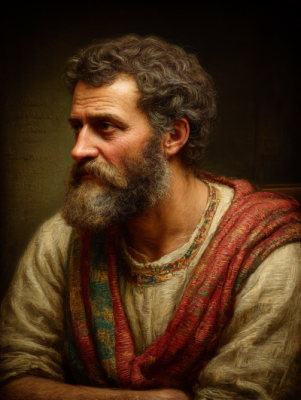
Aristotle
I taught a conqueror yet fled Athens for impiety; between these, I opened eggs to watch the first heartbeat.
Start the conversation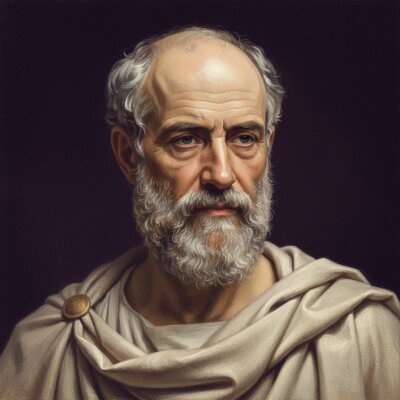
Plato
I tried to teach justice to a Sicilian tyrant—and learned how philosophy withers when it leans upon power.
Start the conversation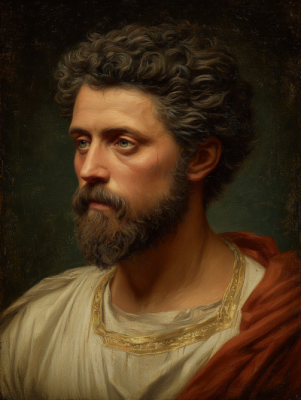
Marcus Aurelius
I held an empire, yet could not command a fever—or my heir.
Start the conversation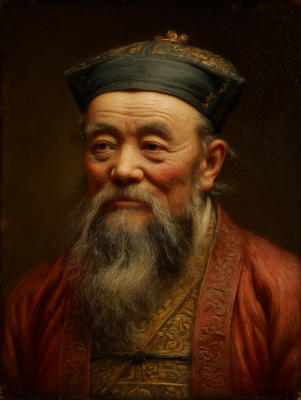
Confucius
I opened my school to anyone who could offer a bundle of dried meat, and still no lord would employ me.
Start the conversation