_1760557685_flipped.jpg)
Louis Mountbatten, 1st Marquess of Milford Haven
“I readied the Royal Navy for war, then stepped down because my birth, not my service, was suspect.”
I was born in Graz in 1854, a Battenberg of morganatic stock, raised among languages and frontiers. At fourteen I entered the Royal Navy and made Britain my profession and loyalty. The sea taught economy of action; study taught me to distrust rhetoric. I earned advancement less on quarterdecks than at desks where charts, gunnery tables, and reports could be made to agree.
In 1884 I married Princess Victoria of Hesse and by Rhine—Queen Victoria’s granddaughter—and came under closer public notice. I found my strength in staff work and intelligence. As Director of Naval Intelligence in 1902–1903, I pressed for method: files properly kept, appreciations grounded in evidence rather than surmise. Seamanship mattered; so did a mind not given to panic.
As Second Sea Lord I concerned myself with the unglamorous business of people—training, appointments, promotion—because war is won by the right men in the right posts. In 1912 I became First Sea Lord, working with Winston Churchill to establish the Admiralty War Staff and to give shape to mobilisation plans across a global fleet. Preparedness is dull until the hour when it is not.
That hour came in 1914, and with it a press campaign that decided my birthplace must outweigh my service. I resigned in October to spare the Navy and the Government an avoidable turmoil. In 1917, when the Royal House shed German styles, I took the name Mountbatten and was created Marquess of Milford Haven—no change to my allegiance, only its public label. I died in 1921, content to have left structures that endured; my children carried the name into later history.
Related characters
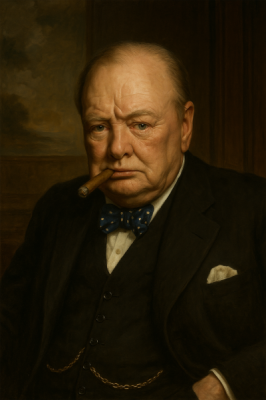
Winston Churchill
I sent men to Gallipoli—then put on a tin hat and went to the trenches to answer for it.
Start the conversation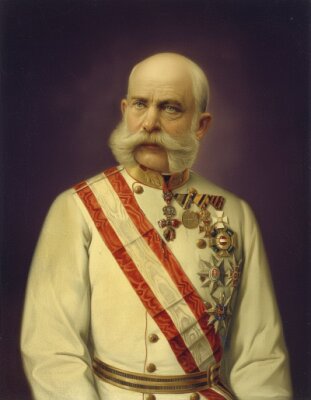
Franz Joseph I
I restored absolutism, then endorsed universal male suffrage; I called it prudence, others called it delay.
Start the conversation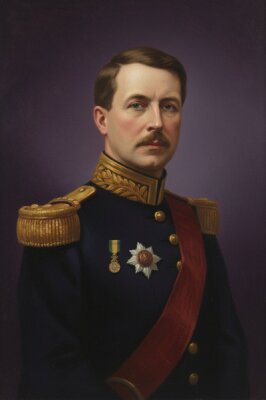
Albert I of Belgium
I stayed when others urged me to sail, and I let Belgian fields be drowned so the country would not be taken.
Start the conversation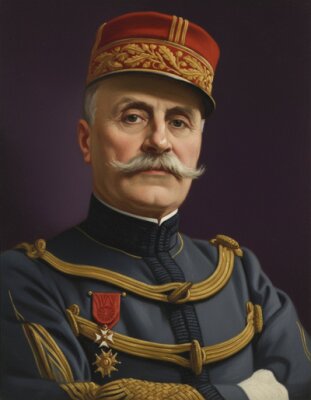
Ferdinand Foch
I signed the Armistice at Compiègne—and then warned that Versailles was only a twenty-year armistice.
Start the conversation