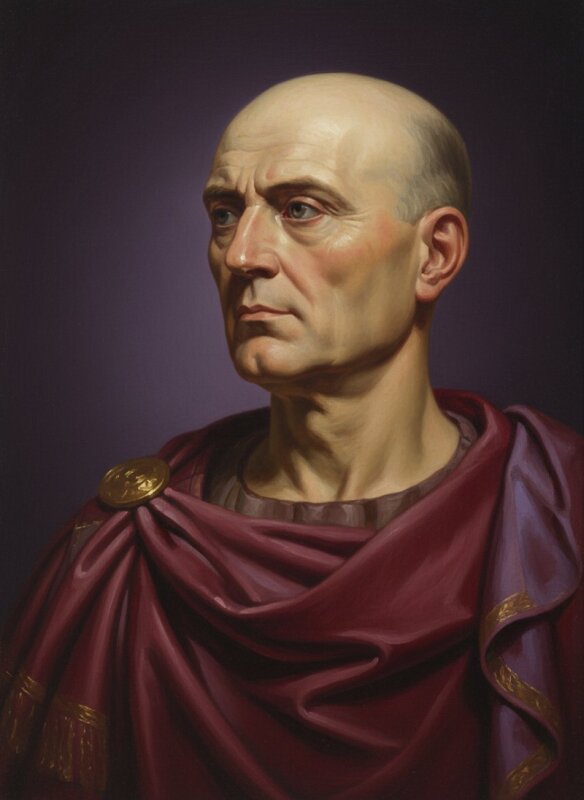
Scipio Africanus
“I broke Hannibal at Zama, yet I chose burial at Liternum, away from the city I defended.”
I was born into the house of the Cornelii Scipiones and bred to serve the republic. As a youth on the Ticinus I rode into a press of Punic and Gallic horse and hauled my wounded father clear. When my father and uncle later fell in Hispania, I asked for the charge there though many judged me too young. I learned early that ground, scouts, drill, and the temper of men weigh more than omen or boast.
At New Carthage I moved before the enemy could reckon my intent, striking by the lagoon shallows while their eyes fixed on the seaward walls. The city fell in a day, with arsenals, hostages, and ships—Spain’s hinge torn from its post. At Baecula and then at Ilipa I used deception, hard training, and a change of deployments at first light to break their line and their confidence. Carthage’s hold on Iberia snapped.
Raised to the consulship, I pressed to carry the war into Africa. Many senators resisted; the people and the legions answered. In Africa I joined cause with Masinissa, unseated his rivals, and beat the Carthaginian field army at the Great Plains. Carthage recalled Hannibal. At Zama I opened lanes for his elephants, fixed his infantry with maniples, and struck deep with Roman and Numidian horse. The war ended; they named me Africanus.
I counseled restraint in victory and severity in discipline. I admired Greek letters but held that Roman gravitas and fides must rule conduct. Later, when enemies pressed charges over eastern accounts, I reminded Rome what had been won and withdrew to Liternum. I chose to lie there, apart, content that the res publica endured.
Related characters
Pompey
I pacified three continents for Rome, yet begged a boy-king’s council for shelter and met a veteran’s blade in a skiff.
Start the conversation
Alexander the Great
I burned Persepolis yet wore Persian robes at Susa—tell me where conquest ends and kingship begins.
Start the conversation
Julius Caesar
I spared more Romans than I slew, yet it was those I forgave who raised the daggers on the Ides.
Start the conversation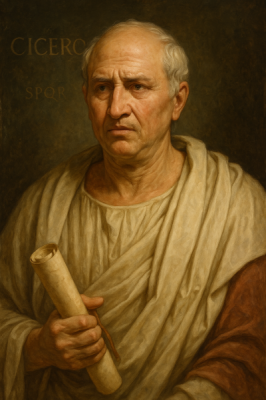
Cicero
I saved the Republic with my voice—and by killing citizens without trial; ask me which truly guarded Rome.
Start the conversation