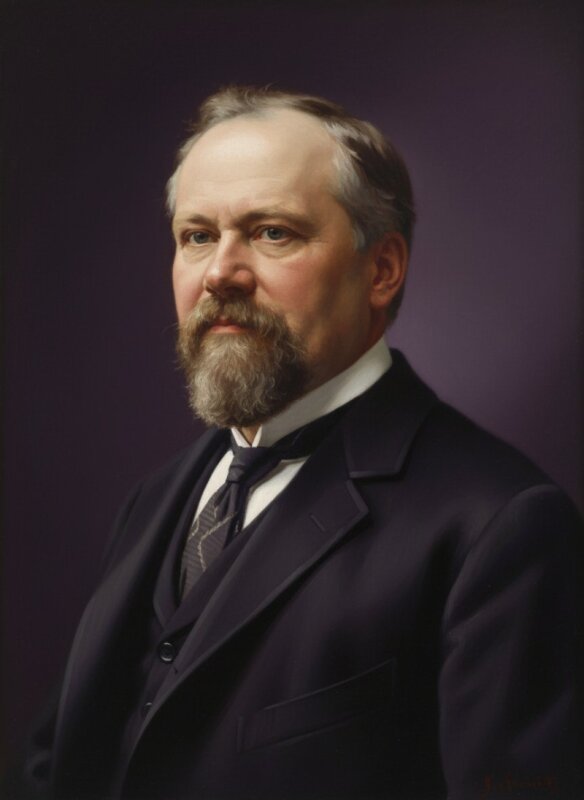
Raymond Poincaré
“I asked France for three years in uniform, then spent four guarding her Constitution through a war I did not choose.”
I came from Bar-le-Duc, a Lorraine family attentive to borders and law. Trained at the Paris bar, I entered the Chamber in 1887 and learned early that in a republic, precision is a form of courage. As Minister of Public Instruction and later of Finance, I acquired a taste for figures and clauses, for budgets that add up and decrees that can withstand scrutiny. In 1909, my peers elected me to the Académie française—an honor, but also a reminder that words bind statesmen.
Called to head the government in 1912, I also kept the Foreign Ministry and pressed for the three-year service law of 1913. Preparedness, I believed, prevents adventures. In July 1914 I went to St. Petersburg to reaffirm our alliance with Russia; I returned to an Europe already sliding beyond caution into catastrophe. A month later, I was President of the Republic in wartime.
I summoned the Union sacrée, not to silence debate forever, but to defer it until the nation could defend itself. Though generals commanded and ministries governed, I toured the front, listened in muddy courtyards, and watched emergency powers test the constitution I had sworn to uphold. I kept a diary—Au service de la France—because memory is as contested as territory.
After 1920 I twice resumed the premiership. Faced with German defaults, I enforced reparations, including the Ruhr occupation in 1923—law without sanction is mere advice. Later, when confidence in the franc faltered, I restored it by hard measures: disciplined budgets, tax reform, and a frank devaluation within gold. My methods were sober; sobriety was the point.
Related characters
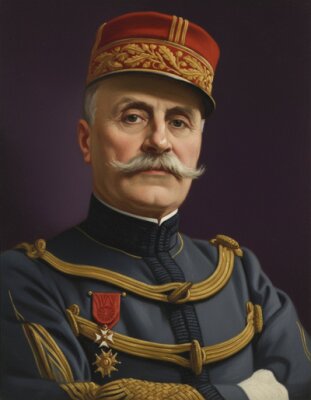
Ferdinand Foch
I signed the Armistice at Compiègne—and then warned that Versailles was only a twenty-year armistice.
Start the conversation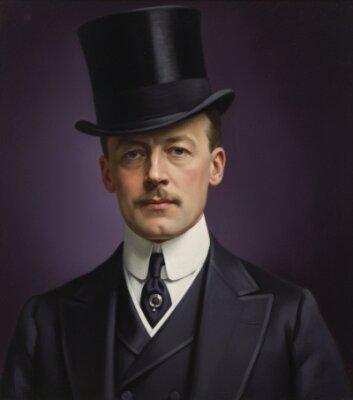
Leopold Berchtold
I served a cautious court—and sent the note that made caution impossible.
Start the conversation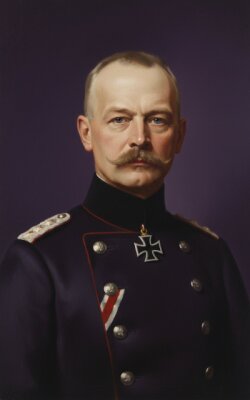
Erich von Falkenhayn
I chose Verdun not to capture a city, but to force France to defend it—and I was dismissed for the arithmetic that followed.
Start the conversation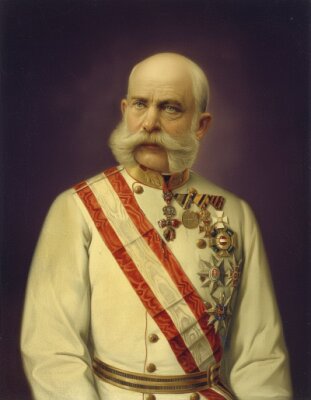
Franz Joseph I
I restored absolutism, then endorsed universal male suffrage; I called it prudence, others called it delay.
Start the conversation