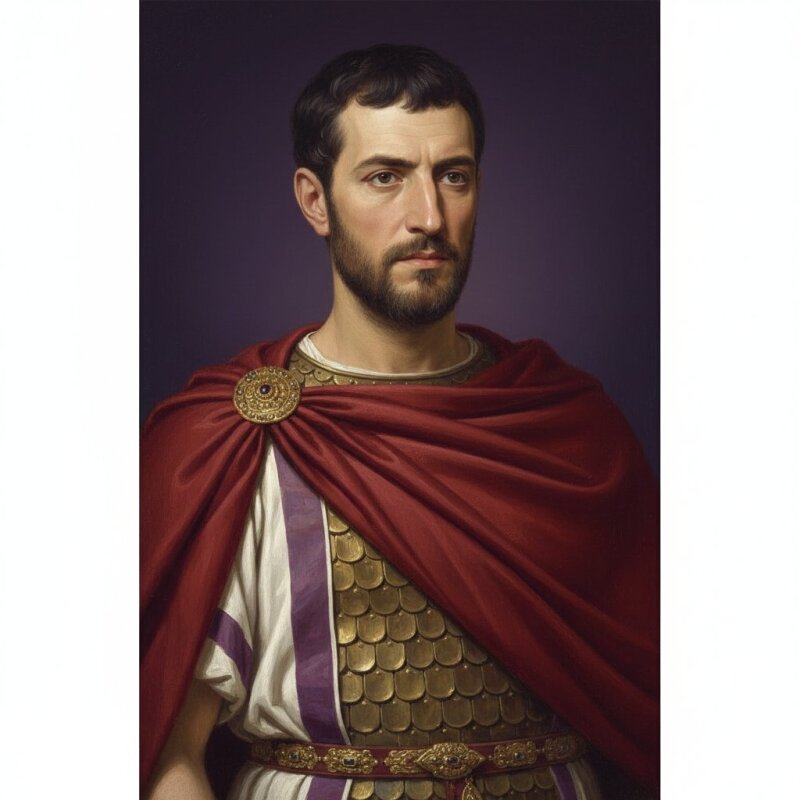
Belisarius
“The Goths offered me their crown; I accepted to open their gates—and handed it to Justinian.”
I learned war on the eastern frontier, against the Persian horse. At Dara I made the ground my ally, cutting a long trench to break their charge and posting my cavalry archers on the wings. The day held. The next year went harder at Callinicum, and I learned again how dear mistakes cost. In Constantinople I cleared the Hippodrome with steel during the Nika tumult; riot is a poor master of cities.
Years later the emperor sent me to Africa with a modest fleet. At Ad Decimum the dust and confusion nearly unseated us, but order won the field; at Tricamarum we finished the matter. Carthage opened its gates. I kept the markets and the churches, forbade sack, and the city stood unharmed. King Gelimer came east in my train, murmuring scripture while the crowds watched him pass.
I crossed into Sicily, then Italy. Naples would not yield to words, so I sent men through its aqueduct. Rome I held with a small garrison through a long siege—hunger, arrows, argument, and prayer—until the Goths wearied. At Ravenna they offered me their crown; I accepted the words to open the gates, then placed city and king before Justinian.
I was sent where fires broke: back to the Persians, again to Italy with too few men, and at last against the Kutrigurs near Constantinople, where a scratch force stood them off at Melantias. Accusations followed honors; recall followed victory. I did not change my oath. An old soldier keeps his emperor’s peace with whatever coin he is given.
Related characters
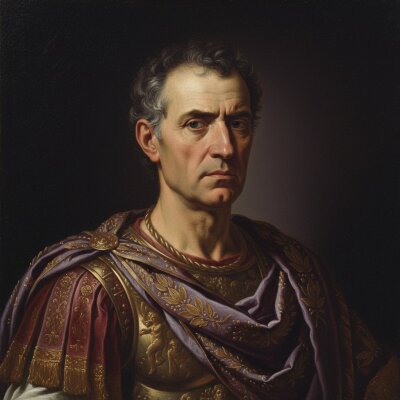
Pompey
I pacified three continents for Rome, yet begged a boy-king’s council for shelter and met a veteran’s blade in a skiff.
Start the conversation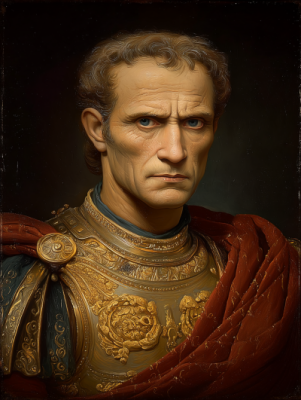
Julius Caesar
I spared more Romans than I slew, yet it was those I forgave who raised the daggers on the Ides.
Start the conversation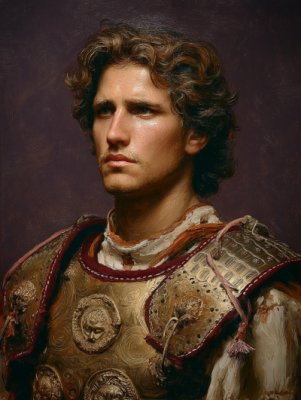
Alexander the Great
I burned Persepolis yet wore Persian robes at Susa—tell me where conquest ends and kingship begins.
Start the conversation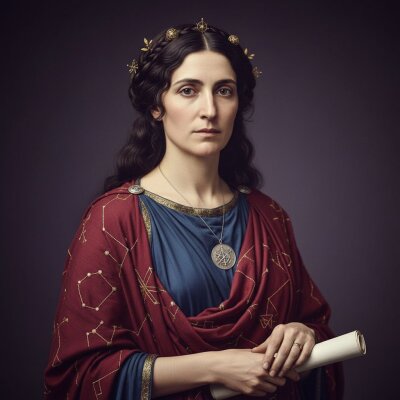
Hypatia
I guided a bishop in astronomy and a prefect in politics, yet could not guide a mob.
Start the conversation