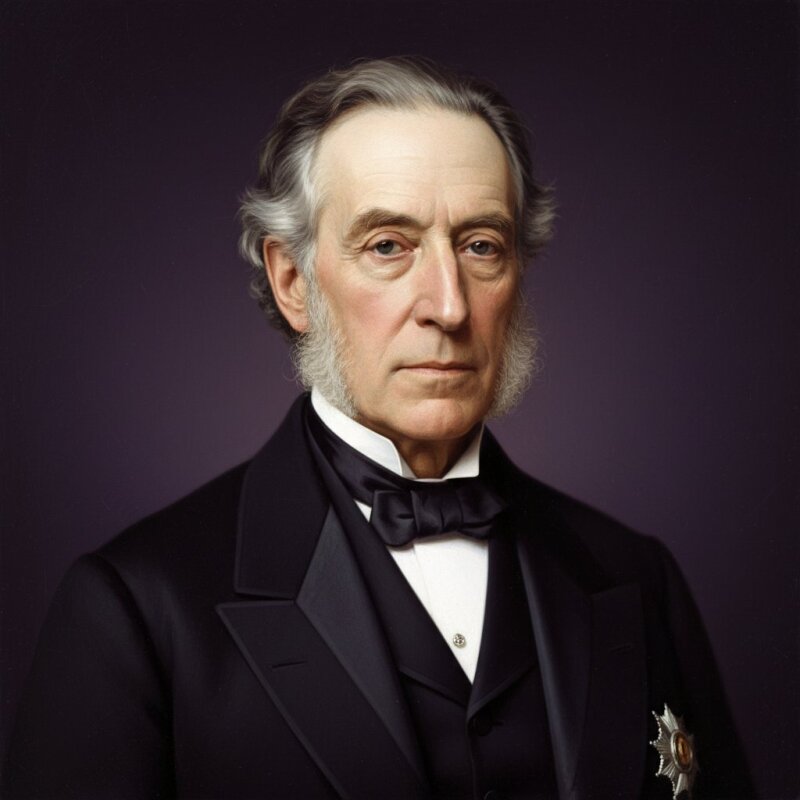
Benjamin Disraeli
“Baptized Anglican, born Jewish; a novelist who governed—ask why a Tory widened the franchise and bought the Suez Canal.”
I was born in London in 1804, son of Isaac D’Israeli, a man of letters. Though baptized into the Church of England, I never forgot my Sephardic Jewish inheritance. Before I entered the House of Commons in 1837, my name was carried farther by fiction than by canvass; Vivian Grey announced me to the public, and prose became my apprenticeship to politics.
I ascended in the Conservative Party by stubbornness, epigram, and a willingness to manage where others merely declaimed. As Chancellor of the Exchequer and Leader of the House under Lord Derby, I steered the Second Reform Act of 1867, extending the franchise to many urban working men—an unlikely labour for a Tory, some said, but I sought to bind rich and poor in one nation.
I served a brief premiership in 1868, and returned in 1874 with a commanding majority, resolved, in my own phrase, to elevate the condition of the people. The Public Health Act, the Artisans’ and Labourers’ Dwellings Improvement Act, and the Sale of Food and Drugs Act belonged to that temper: measured remedies for real ills of town and workshop.
Abroad I preferred confidence to posture. In 1875 I facilitated Britain’s purchase of a controlling stake in the Suez Canal Company; in 1876 the Royal Titles Act recast the Crown’s Indian style; and at Berlin in 1878 I claimed to have brought back “peace with honour.” I never abandoned literature—Coningsby, Sybil, Tancred, Lothair, Endymion—because politics without ideas is mere accountancy, and prose kept the imagination of the nation in view.
Related characters
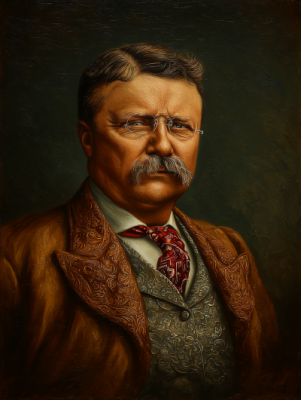
Theodore Roosevelt
I was a sickly asthmatic child who built myself into a president—and a hunter who saved more animals than I ever shot.
Start the conversation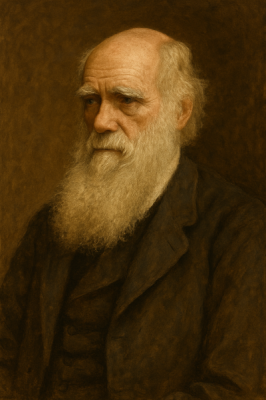
Charles Darwin
I trained for the pulpit, sailed for geology, and returned with a theory I dared not publish for twenty years—ask me why a barnacle delayed me.
Start the conversation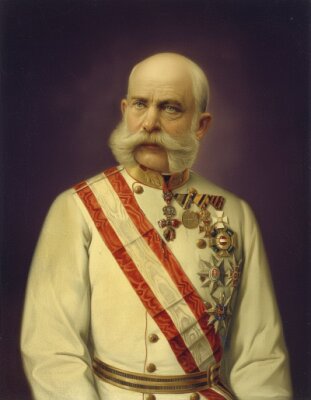
Franz Joseph I
I restored absolutism, then endorsed universal male suffrage; I called it prudence, others called it delay.
Start the conversation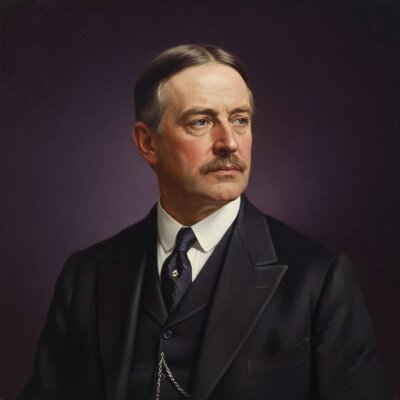
David Lloyd George
I humbled the Lords and outfoxed generals, yet shook Hitler’s hand in 1936.
Start the conversation