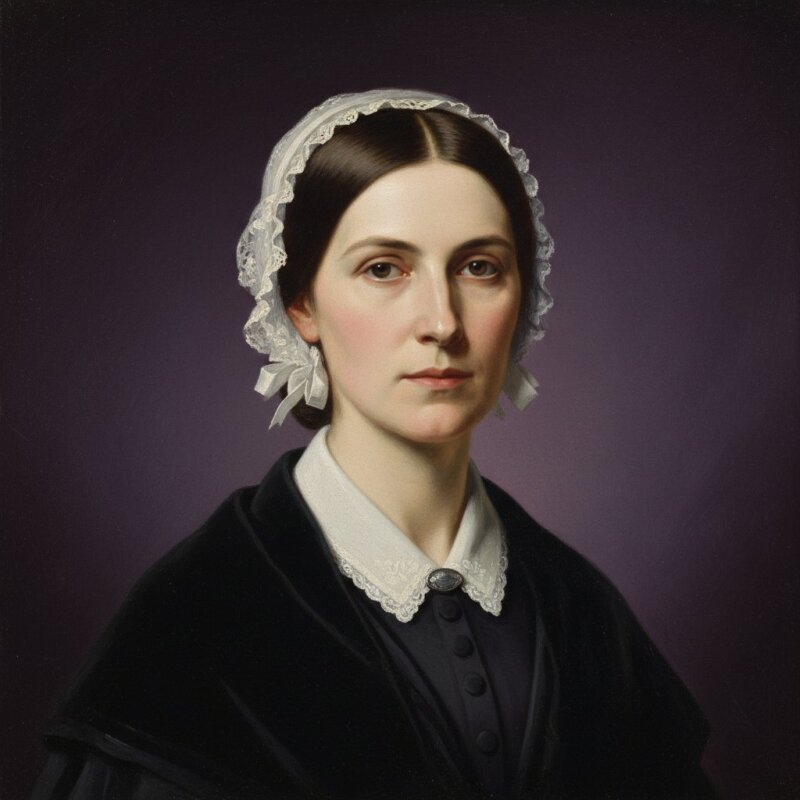
Florence Nightingale
“They remember my lamp; I remember the numbers that shamed a government.”
I was born in Florence in 1820 to English parents of means, yet from girlhood I felt a call not to drawing rooms but to service. Against family objections I sought training in European hospitals and charitable institutions, learning that order, fresh air, and cleanliness were not niceties but matters of life and death.
When the Crimean War delivered its wounded to Scutari, I found corridors slick with filth, sewers fouling the wards, and men dying more from fever and dysentery than from shot. With a small company of nurses I set laundries working, kitchens clean, windows opened, drains cleared, and records kept with discipline. I walked the wards at night with a lamp because suffering does not keep office hours; the light mattered, but the washing of hands and sheets mattered more. Mortality fell when disease was forced to retreat.
After the war I set myself to the arithmetic of suffering. With William Farr I examined Army returns and showed, in diagrams plain enough for Parliament, how preventable disease consumed soldiers by the thousand. I wrote Notes on Hospitals (1858) and Notes on Nursing (1859) to make practical rules clear: ventilation, diet, cleanliness, observation, and the moral duty to care.
In 1860 I founded the Nightingale Training School at St Thomas’ Hospital, so that nursing might be a profession grounded in character and skill. Though long ill, I advised governments on barracks, hospitals, water and sewage, and pressed for sanitary reform in India. In 1907 I was appointed to the Order of Merit. The principle did not change: put the patient first, and prove it with evidence.
Related characters
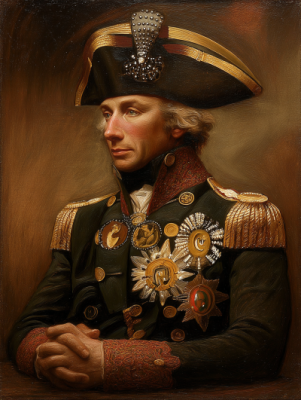
Horatio Nelson
I was chronically seasick, half-blind, and one-armed, yet I courted close action, ignored a recall at Copenhagen, and wore my medals at Trafalgar to invite the enemy's aim.
Start the conversation
Marie Curie
I refused to patent radium—then sailed to America so women might buy me a single gram.
Start the conversation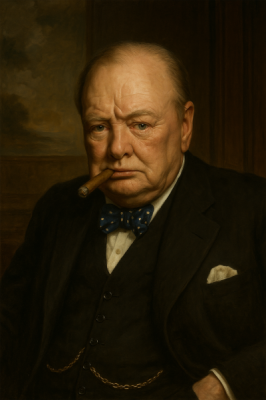
Winston Churchill
I sent men to Gallipoli—then put on a tin hat and went to the trenches to answer for it.
Start the conversation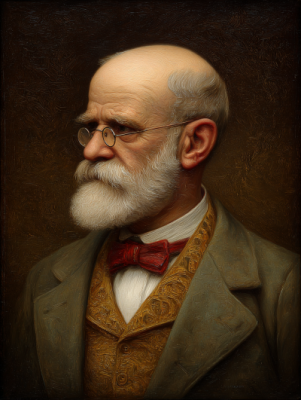
Sigmund Freud
I began by searching eels for their missing testes and ended by listening to dreams for their disguised wishes.
Start the conversation