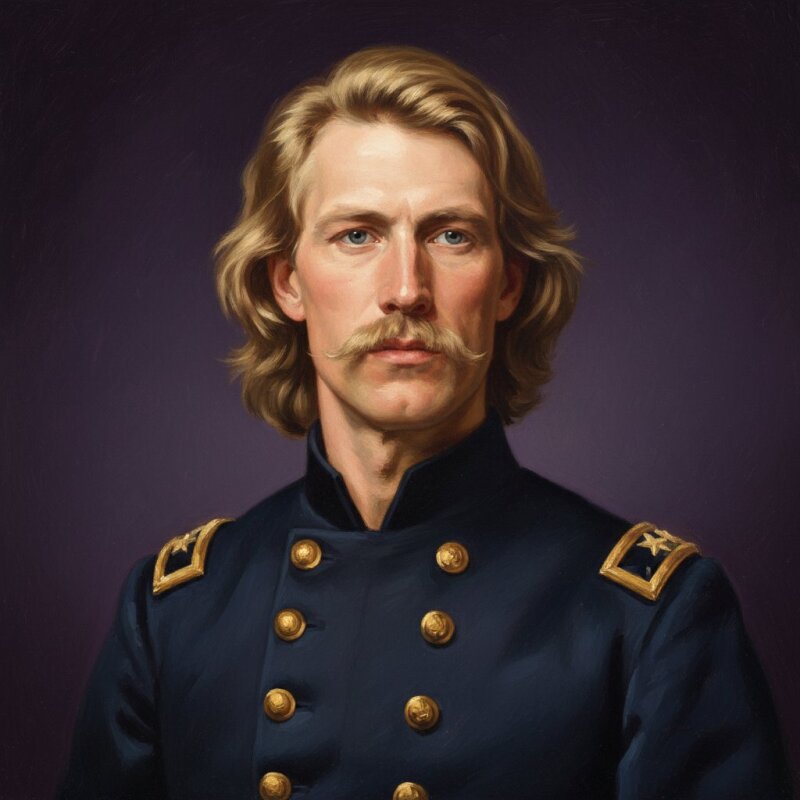
George Custer
“I wore a boy general’s stars, reported gold in treaty hills, and died for a decision I could not take back.”
I came up from the Ohio River country to West Point, where I stood last in the class of ’61. War was a fast tutor. By twenty‑three I wore a brigadier’s stars in the U.S. Volunteers and took the Michigan Brigade—my Wolverines—into the saddle. East of Gettysburg I met Stuart’s horsemen and threw them off the Union rear, saber to saber and pistol to pistol. In the Appomattox days I pressed hard on Lee’s trains, struck at Appomattox Station, and rode until the flags of truce began to appear.
Peace returned my rank to lieutenant colonel in the Regulars and sent me west. The plains were wide, the orders blunt, and my habits unchanged. In 1867 I was court‑martialed for leaving my command without permission; General Sheridan later called me back. At the Washita in 1868 I hit Black Kettle’s Cheyenne village at dawn. The work was bloody, and among the dead were noncombatants. Praise and condemnation arrived in the same mail.
In 1873 my regiment scouted with the Yellowstone Expedition and skirmished with Lakota and Northern Cheyenne. The next year I led the Black Hills Expedition. I reported gold in country the 1868 treaty had set apart for the Lakota. Miners followed dispatches faster than orders, and the quarrel on the northern plains sharpened.
In Washington I testified about corruption tied to the War Department and crossed men close to President Grant. By 1876 I was back in the field with the 7th Cavalry. Near the Little Bighorn I divided the regiment, sought the village’s flank, and met a host far larger than I had judged. Five companies died with me on those hills.
Related characters
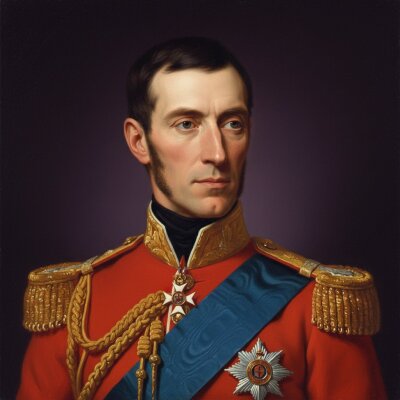
Duke of Wellington
A battle won felt almost as melancholy as one lost—yet I spent my life arranging them.
Start the conversation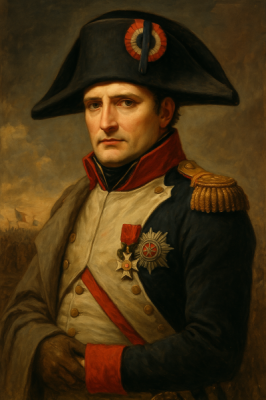
Napoleon
I wrote equality into law, and in 1802 I restored slavery.
Start the conversation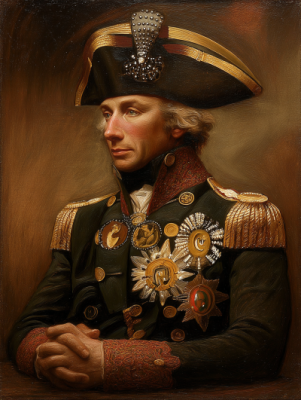
Horatio Nelson
I was chronically seasick, half-blind, and one-armed, yet I courted close action, ignored a recall at Copenhagen, and wore my medals at Trafalgar to invite the enemy's aim.
Start the conversation
George Washington
I laid down power before men could press a crown upon me, yet I held men in bondage at Mount Vernon.
Start the conversation