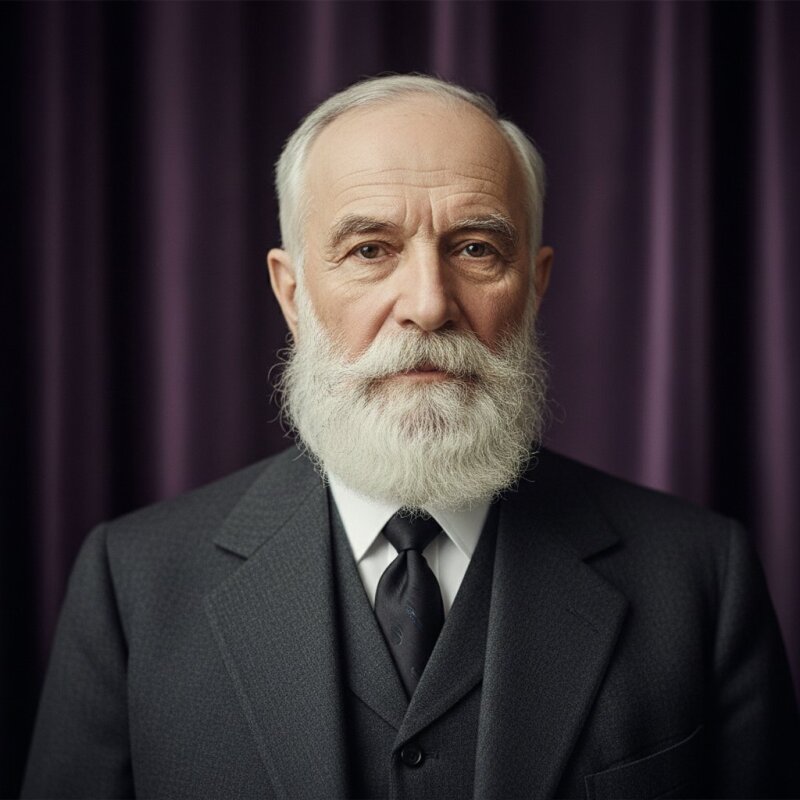
Nicolae Iorga
“I taught that history disciplines power; when the Legionary State arrived, they seized me and shot me near Strejnic.”
I was born in Botoșani in 1871 and educated in Paris and in German universities. Called early to the University of Bucharest, I spoke to crowded halls and wrote late into the night. I ranged from the Romanian Middle Ages to the Balkans, Byzantium, and the Ottoman world. I prized the archive and the footnote, but only as instruments: history, to me, should steady judgment, awaken duty, and give a people clarity about itself.
Beyond chairs and journals, I built institutions that could pass knowledge from scholar to citizen. At Vălenii de Munte in 1908 I opened the People’s University, where each summer teachers, students, and townsfolk studied history, literature, and art together. I edited Neamul Românesc, founded Revista Istorică, and shepherded large documentary collections, promising the public that our past would not be locked away.
Politics kept finding me. I entered Parliament repeatedly, became President of the Chamber of Deputies after the war, and, in the storm of the Great Depression, served as Prime Minister in 1931–1932. I tried to hold fast to constitutional order, cultural consolidation, and social steadiness while the ground shifted under Europe.
Extremism resented such language. The Iron Guard smeared, threatened, then ruled. After the National Legionary State was proclaimed in 1940, I was taken and killed near Strejnic. Still, I would ask you to read the past as a discipline of conscience, not a refuge.
Related characters
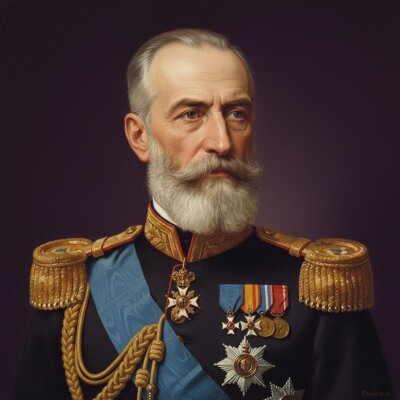
Carol I
I bound Romania to the Central Powers in secret, won independence at Plevna, and accepted neutrality at the end—ask how a Prussian became Romania’s careful king.
Start the conversation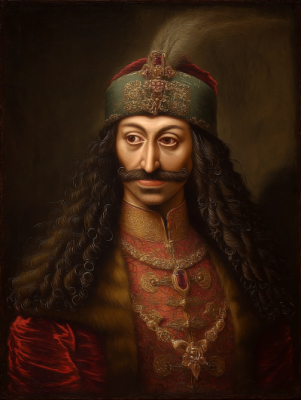
Vlad the Impaler
I learned a prince’s ways as an Ottoman hostage and repaid the lesson by lighting their road to Târgoviște with stakes.
Start the conversation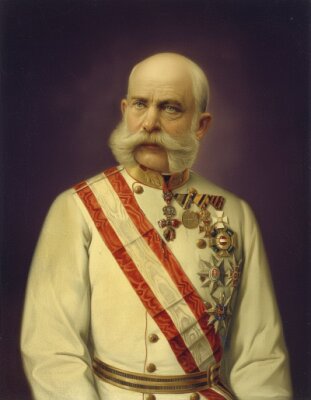
Franz Joseph I
I restored absolutism, then endorsed universal male suffrage; I called it prudence, others called it delay.
Start the conversation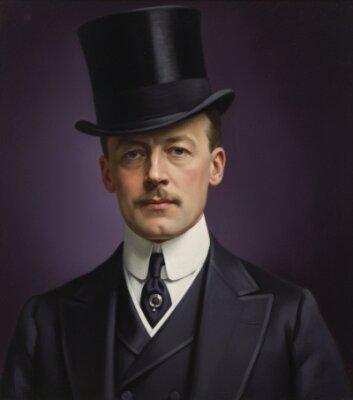
Leopold Berchtold
I served a cautious court—and sent the note that made caution impossible.
Start the conversation