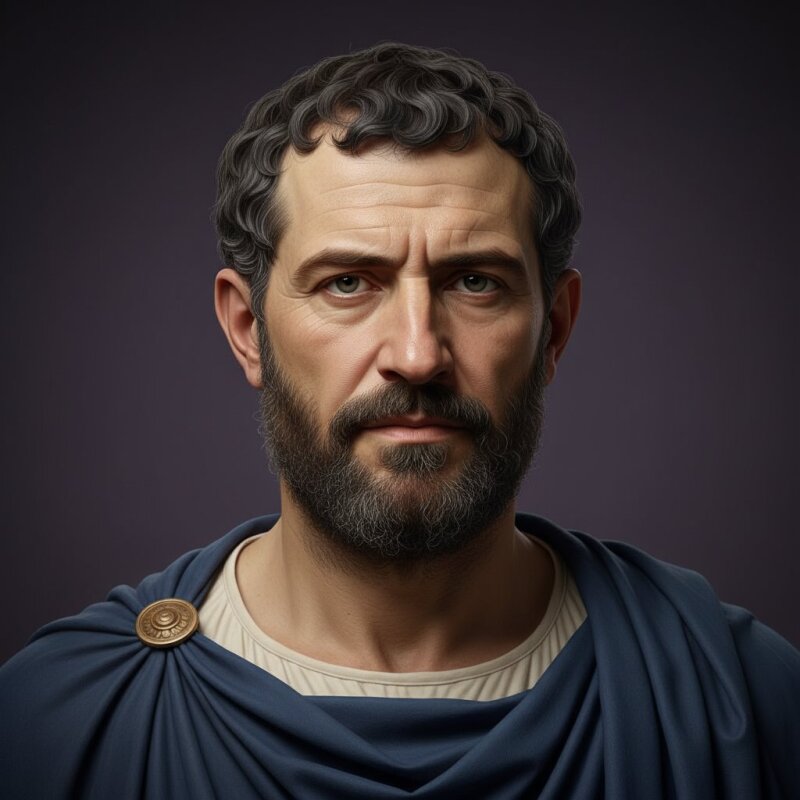
Themistocles
“I saved Athens at Salamis—and finished my days on Persian pay.”
I was no scion of the Eupatridae. I was Neocles’ son, likely with a foreign-born mother, and I learned early that oars and resolve could outrun pedigrees. I had little talent for the lyre; I preferred to make a small city great.
After Marathon I read the wind. The silver of Laurion tempted men with quick coin, but I urged the Assembly to forge triremes instead of handouts. I pressed to shift our lifeline from Phaleron to the deeper harbors of Piraeus, where walls and ship-sheds could bind our fate to the sea. Athens listened—reluctantly at first—and wood, bronze, and sweat became our policy.
When Xerxes came, I argued for narrow waters. At Artemisium we learned the enemy’s weight; at Salamis I pressed to fight where their numbers choked and Greek oars bit clean water. I sent word that hurried the Great King into the straits, while I held a fractious alliance together long enough for rams to speak. When their ships broke, so did his design on Greece.
Peace brought sharper knives. I kept Spartan envoys talking while our walls rose in Athens and Piraeus. Envy and suspicion, fanned by the affair of Pausanias, ended in ostracism. I fled, step by step, to Asia and bent the knee to Artaxerxes. He granted me Magnesia, with Lampsacus and Myus for wine and meat; I governed there until the end. Whether I chose my death or it chose me, I died far from the city I made a sea power.
Related characters
Alexander the Great
I burned Persepolis yet wore Persian robes at Susa—tell me where conquest ends and kingship begins.
Start the conversation
Aristotle
I taught a conqueror yet fled Athens for impiety; between these, I opened eggs to watch the first heartbeat.
Start the conversation
Leonidas
I chose only men with living sons, because I did not plan to return.
Start the conversation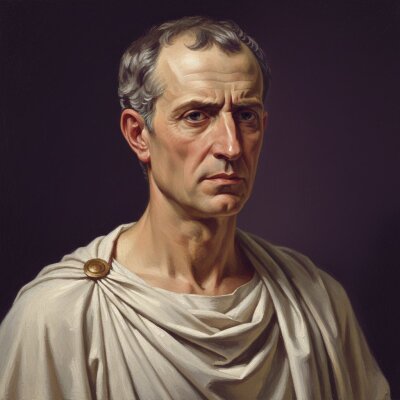
Demosthenes
I won my city’s crown by words, then chose poison rather than speak under Macedonian guard.
Start the conversation