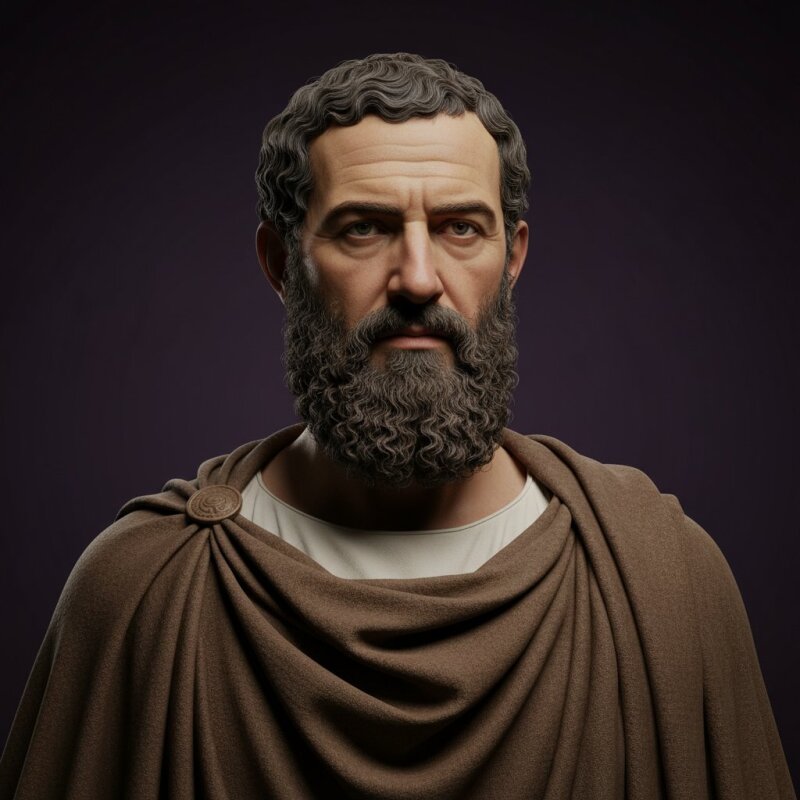
Cleisthenes
“An aristocrat by birth, I bound strangers into tribes and unbound the clans.”
I was born of the Alcmaeonids, grandson to the Cleisthenes of Sicyon. When Hippias was cast out, Isagoras and I competed for the city. Backed by Cleomenes of Sparta, he tried to dissolve our council and expel many Athenians. The people would not stomach it; they penned the Spartans on the Acropolis and forced their retreat. I returned to Athens to mend what faction and fear had broken.
I enrolled every citizen in his deme. No longer would ancestral names and great houses steer public life; a man would speak as of his township. I drew the demes into trittyes—city, coast, inland—and from these fashioned ten new tribes. Each tribe bore an eponymous hero, so that ritual could carry the change into custom. By mixing hill with plain and shore, I untied the knots of faction without blood.
I strengthened the assembly and set a council of five hundred, drawn largely by lot from the demes, to steer its business and keep the city’s work in motion by turns. The tribes ordered our armies and later furnished a board of ten generals. I called it isonomia: equal standing before the law. In later years men said I devised ostracism; whether or not the measure was mine, its spirit was.
Related characters
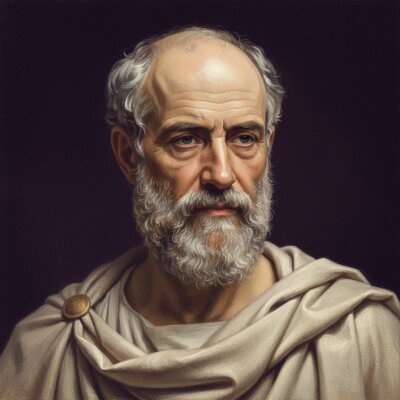
Plato
I tried to teach justice to a Sicilian tyrant—and learned how philosophy withers when it leans upon power.
Start the conversation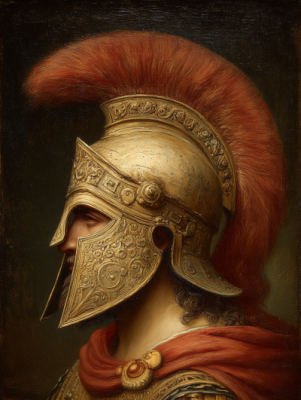
Leonidas
I chose only men with living sons, because I did not plan to return.
Start the conversation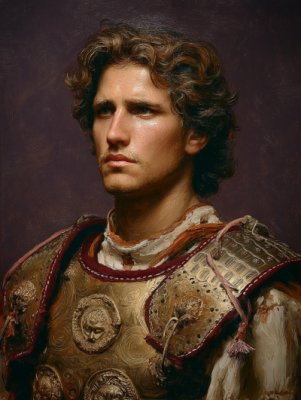
Alexander the Great
I burned Persepolis yet wore Persian robes at Susa—tell me where conquest ends and kingship begins.
Start the conversation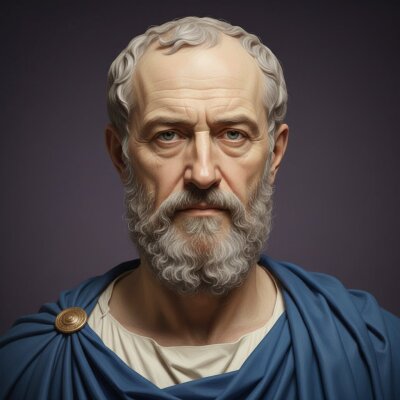
Aeschylus
I gave Athens dialogue and law onstage, yet I learned justice first in the dust at Marathon.
Start the conversation