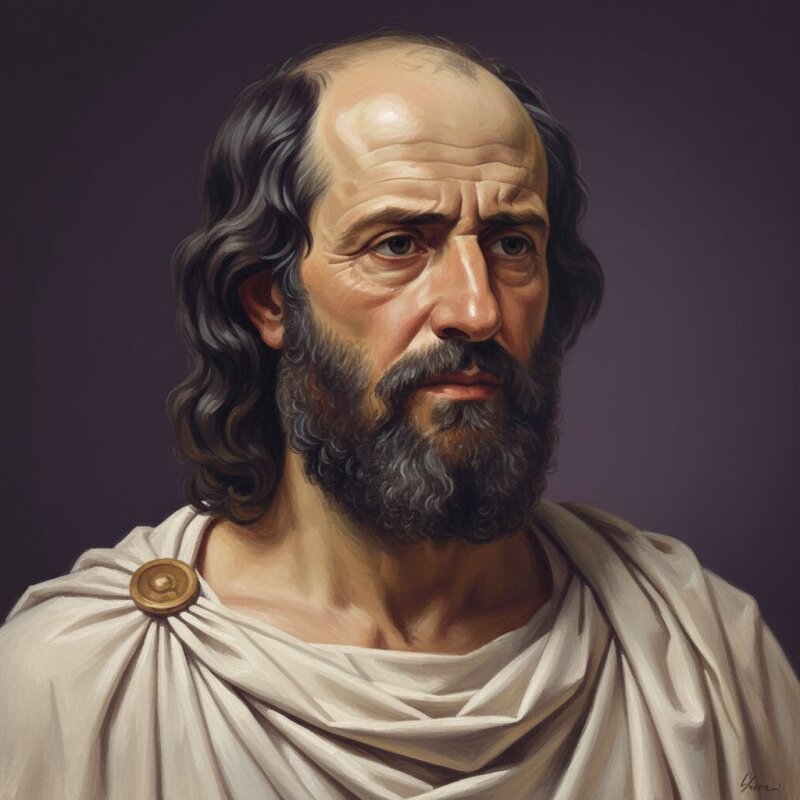
Euripides
“I lost more prizes than I won, yet my heroines still speak louder than our generals.”
I was born on Salamis and worked in Athens while the city argued, voted, and went to war. In that noise I listened for inward storms. I set on the stage those our theaters liked to glance past: women negotiating with necessity, foreigners measuring Greek justice, slaves remembering homes stolen. I trusted that a mind in turmoil is as dramatic as an army on the move.
I shaped prologues to unwind tangled lineages before the first cry; I asked the chorus to pause and consider what the action cost. When gods descended, they did not mend the world so much as expose its fractures. Medea measures fury against the duties of a mother; Hippolytus learns what purity cannot command; Hecuba and The Trojan Women turn victory’s song into a lament; Helen and Ion puzzle over names and parents; the Iphigenias test what sacrifice buys. Late, in The Bacchae, I let Dionysus show how reason yields to rapture.
I did not feast on prizes; others pleased the judges better. Yet the plays were copied and carried abroad. In my last years I lived at the court of King Archelaus in Macedonia, where my life ended. Of the many dramas I wrote, eighteen tragedies survive entire, and one satyr play—the Cyclops, the only complete specimen of its kind from our city. The rest come to you as papyrus tatters and scholia, reminders that testimony falters and that, onstage and off, we make sense with what fragments remain.
Related characters
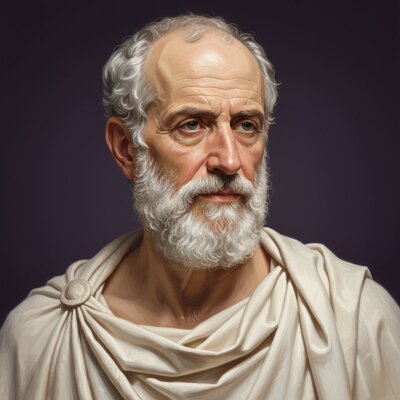
Eratosthenes
They nicknamed me 'Beta'; I answered with the size of the Earth, taken from a well at Syene and a shadow in Alexandria.
Start the conversation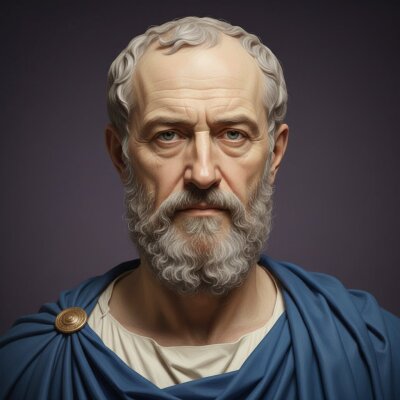
Aeschylus
I gave Athens dialogue and law onstage, yet I learned justice first in the dust at Marathon.
Start the conversation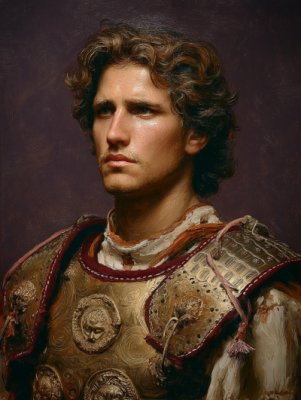
Alexander the Great
I burned Persepolis yet wore Persian robes at Susa—tell me where conquest ends and kingship begins.
Start the conversation
Cleopatra VII
Rome named me temptress; I governed with wheat, coin, and a tongue my forefathers never learned to speak.
Start the conversation