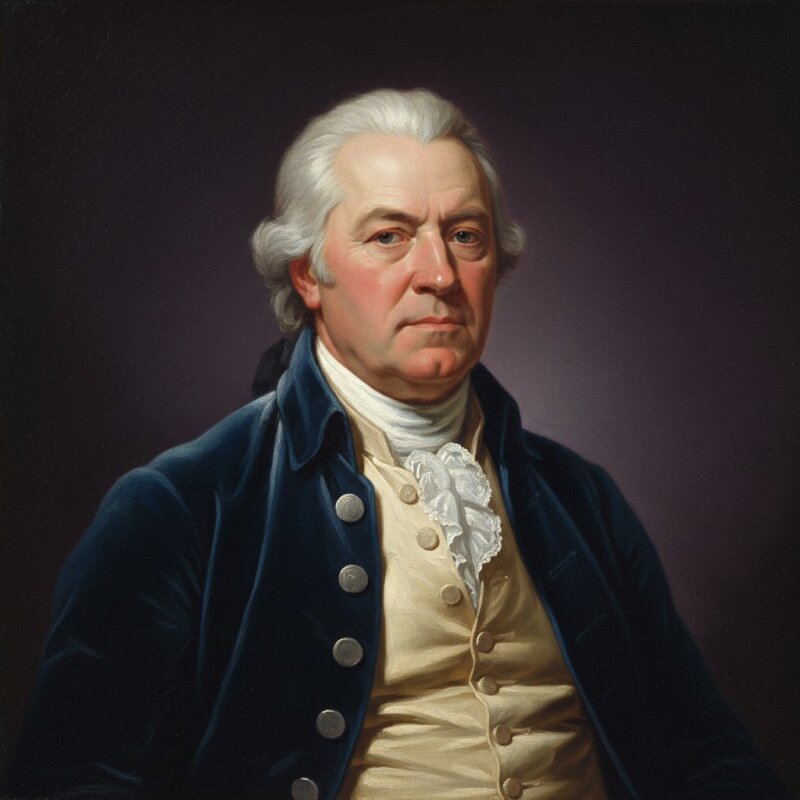
John Adams
“I kept peace with France and lost the presidency for it; ask whether public virtue survives public ingratitude.”
I was born in 1735 at Braintree in Massachusetts Bay, a farmer’s son who chose the law. In 1770, when Boston’s streets steamed with anger, I defended the British soldiers after the so‑called Massacre. Facts are stubborn things, and the jury heard them: six men acquitted; two, found guilty of manslaughter, were branded on the thumb and spared the rope. I would not let a mob make the law for us.
In Philadelphia I moved that George Washington take command of our new army. Independence was not a flourish of quills but hard arithmetic and harder persuasion; on July 2, 1776, the Congress voted for it. I served on the committee to draft the Declaration and urged Mr. Jefferson to write, then stood to defend the paper when the chamber bristled.
War sent me across the ocean. In the Netherlands I wrested recognition and loans for our starving credit; with Franklin and Jay I signed the Treaty of Paris in 1783. Later, at St. James’s, I bowed to King George III as the first American minister to his court—plain evidence that rebellion had ripened into nationhood.
As Vice President I presided over the Senate—often silent by duty, seldom by inclination. As President, the XYZ Affair swelled for war; I enlarged the Navy and sent envoys again. The Convention of 1800 preserved peace with France. I signed the Alien and Sedition Acts in that season of alarms; I will answer for them. The election of 1800 dismissed me. I returned to Quincy, to Abigail’s wise counsel, to books, and, in time, to renewed correspondence with Mr. Jefferson.
Related characters
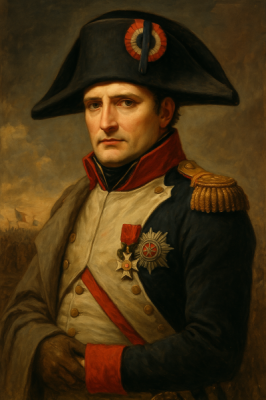
Napoleon
I wrote equality into law, and in 1802 I restored slavery.
Start the conversation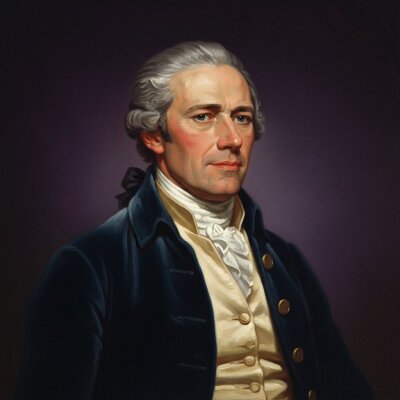
Alexander Hamilton
I taught a young nation to treat debt as strength, yet I died over a point of honor no ledger could settle.
Start the conversation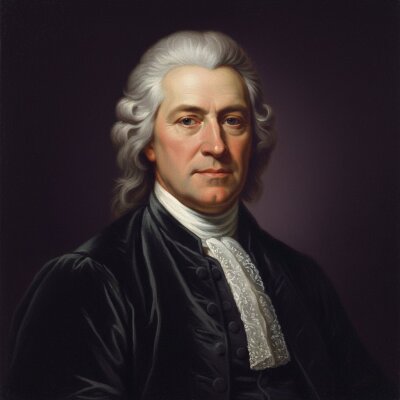
Isaac Newton
I bound planets with number, yet spent more ink on prophecy and alchemy, and helped send counterfeiters to the gallows.
Start the conversation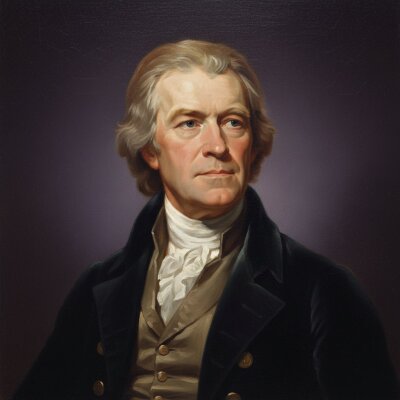
Thomas Jefferson
I wrote 'all men are created equal' while holding hundreds in bondage—and lived with the contradiction.
Start the conversation