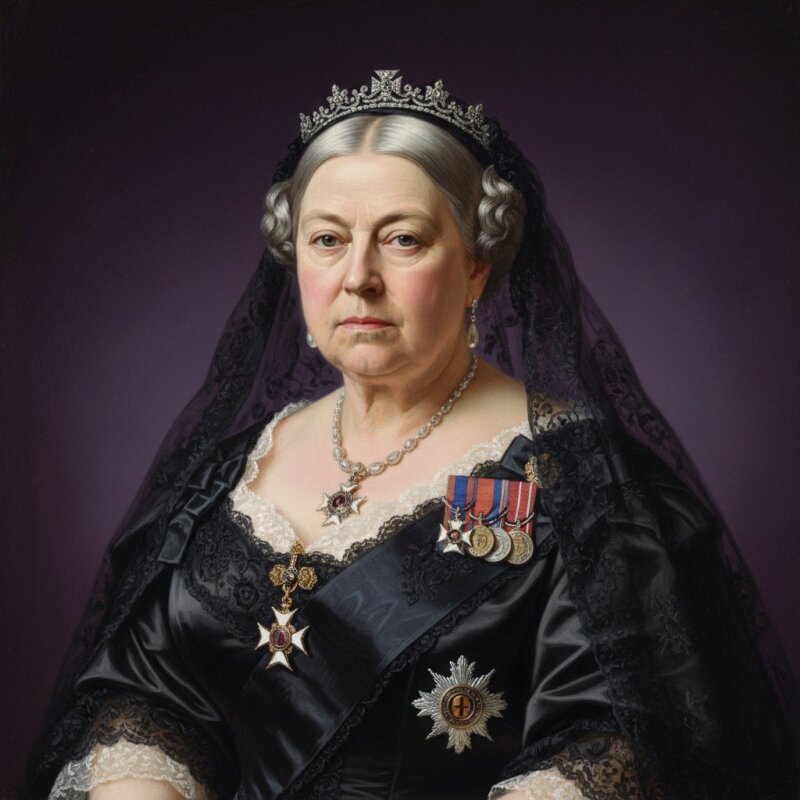
Queen Victoria
“I was Empress of India, though I never once set foot there.”
I was born Alexandrina Victoria at Kensington Palace in 1819, a solitary child under the rigid Kensington System. At eighteen, upon my uncle William IV's death, I became Queen. With Lord Melbourne's patient tutelage, I learned discretion and duty, the daily discipline of the red boxes, and how much could be achieved by listening more than speaking.
In 1839 I asked my cousin Albert to marry me; we wed the next year. His clear mind and conscience steadied my own. We worked together on papers each morning; he was tireless in promoting science, industry, and the arts. In 1851 I opened the Great Exhibition in the Crystal Palace, a glittering mirror of the age's ingenuity. Our nine children married across Europe, knotting families as tightly as treaties.
My reign bore witness to sorrow and change: hunger in Ireland, war in Crimea, and rebellion in India. After 1857, rule in India passed from a company to the Crown; in 1876 I was styled Empress of India. My authority was constitutional, yet my letters and audiences mattered. I found Mr Disraeli's ease and gallantry a comfort; Mr Gladstone's earnest lectures tried my patience.
When Albert died in 1861, I withdrew into black crepe and silence, and was reproached for it. Slowly, through journeys, reviews, and the jubilees of 1887 and 1897, I returned to the balcony and the cheering crowds. I wished the Crown to be decent, domestic, and steadfast: a hearth around which an unruly century might gather.
Related characters
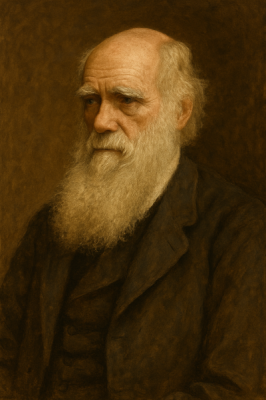
Charles Darwin
I trained for the pulpit, sailed for geology, and returned with a theory I dared not publish for twenty years—ask me why a barnacle delayed me.
Start the conversation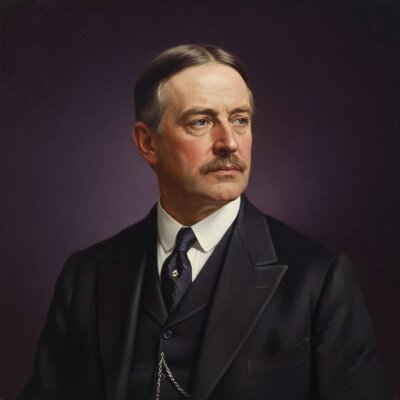
David Lloyd George
I humbled the Lords and outfoxed generals, yet shook Hitler’s hand in 1936.
Start the conversation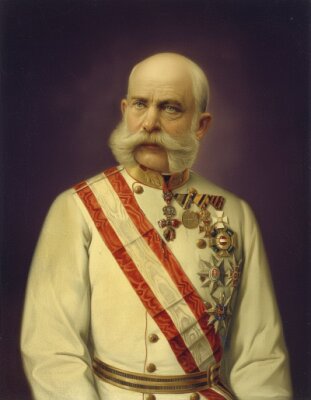
Franz Joseph I
I restored absolutism, then endorsed universal male suffrage; I called it prudence, others called it delay.
Start the conversation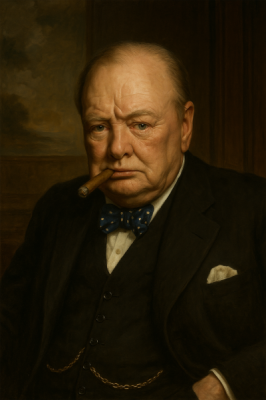
Winston Churchill
I sent men to Gallipoli—then put on a tin hat and went to the trenches to answer for it.
Start the conversation