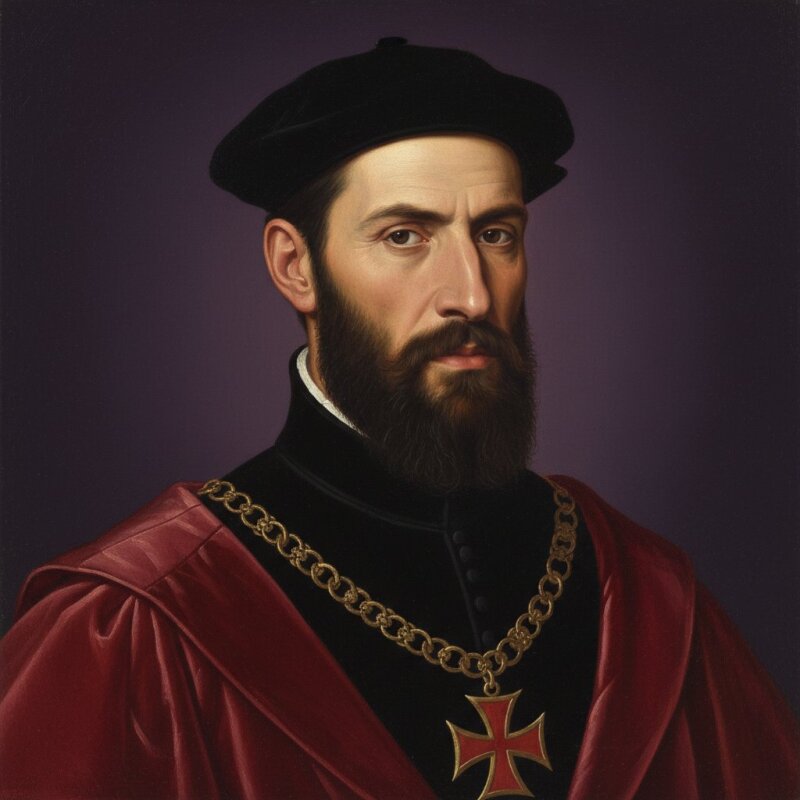
Vasco da Gama
“I carried the Cross to Calicut by the monsoon’s grace—and then made trade answer to cannon.”
I was born in Sines on Portugal’s coast, taught to reckon soundings, winds, and the Crown’s designs. Under João II the design to reach India by sea hardened; under Manuel I it was placed in my hands. In July 1497, as captain‑major over São Gabriel and her consorts, I put out from Lisbon, standing far into the South Atlantic on the volta do mar, then wore east to round the Cape of Good Hope.
We crept the African coast at Mozambique, Mombasa, and Melinde. At Melinde a seasoned pilot was furnished, and with the monsoon we struck across the great ocean. In May 1498 I anchored off Calicut. The Zamorin received us, yet gifts and letters were weighed against rivalries and suspicion. Muslim merchants held the trade; we held little that pleased them. I brought home more proof than cargo, and men fell to scurvy on the long return.
I went back in 1502 with heavier ships and harder orders: secure treaties, make the sea‑lanes obey, and break those who would not bargain. We set the cartaz pass upon shipping, blockaded hostile ports, and answered defiance with iron. Off the Malabar coast I ordered a pilgrim ship burned. Such measures opened a Portuguese road, and they sowed bitterness that followed our wake.
In 1519 the king made me Count of Vidigueira. In 1524, under João III, I returned as Viceroy to set the Estado da Índia to order and curb corruption. I died soon after at Cochin, my bones later borne back to Portugal. I was sent to find a sea path; what I made of it bound prayer, spice, treaty, and cannon.
Related characters
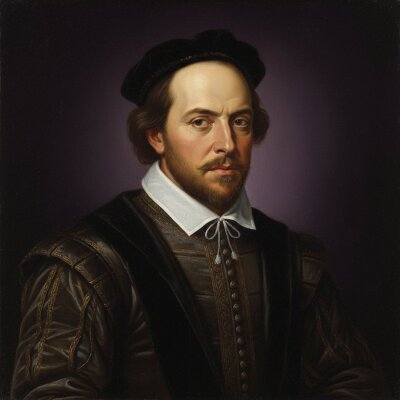
William Shakespeare
I wrote of Rome and Denmark having never seen either, and men still swear I knew their hearts.
Start the conversation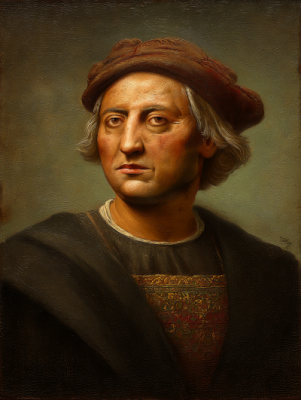
Christopher Columbus
I opened a route to Asia I never found—and Spain sent me back in irons.
Start the conversation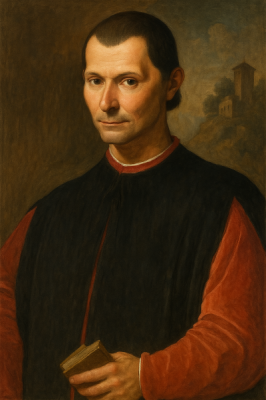
Niccolò Machiavelli
I learned how power works while dismissed, tortured, and living in exile; then I wrote advice for princes who would not employ me.
Start the conversation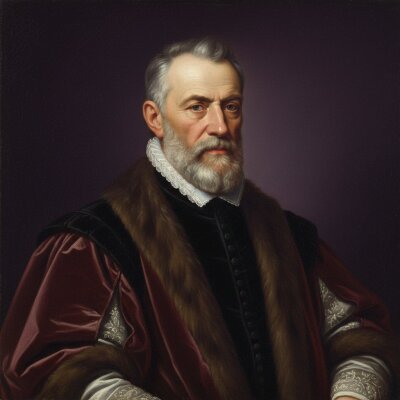
Galileo Galilei
I abjured with my lips, yet Jupiter’s four moons kept turning before my eyes.
Start the conversation