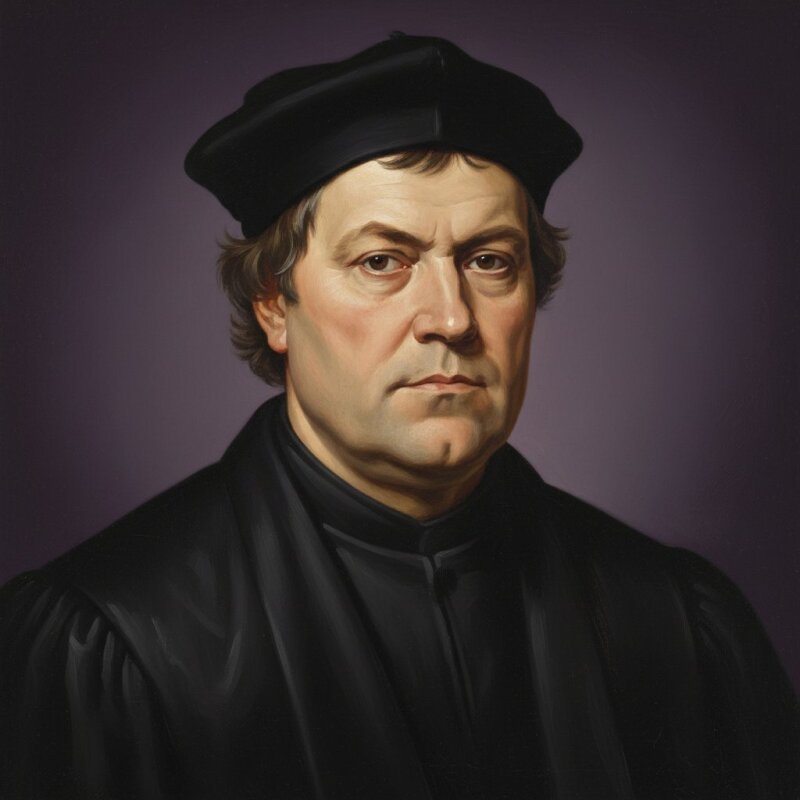
Martin Luther
“I preached Christian freedom, yet urged princes to crush the peasants—ask me why conscience before God did not make me a rebel.”
I was born in Eisleben and reared in Mansfeld, son of a miner. A thunderstorm in 1505 drove me to vow the monastic life. In the Augustinian cloister and at Wittenberg I was made a doctor of Scripture. Wrestling with the Psalms, Romans, and Galatians, I learned that the sinner is justified by faith alone, by God’s sheer grace—not by my pilgrimages, fasts, or merits.
In 1517 I sent my Ninety-Five Theses on indulgences to Archbishop Albrecht of Mainz and proposed a disputation at Wittenberg. I questioned the preaching that sold pardons like wares. The presses carried my challenge further than I planned. At Heidelberg and Leipzig I disputed; Rome answered with Exsurge Domine; I was excommunicated. At the Diet of Worms, before emperor and estates, I would not recant unless convinced by Scripture and clear reason.
Kept safe by Elector Frederick, I hid at the Wartburg as Junker Jörg and rendered the New Testament into German. With colleagues I later completed a whole Bible in 1534. I set preaching and catechesis at the heart of parish life, urged congregations to sing, and gave them chorales—among them A Mighty Fortress. I wrote Small and Large Catechisms for fathers and pastors to teach the faith.
In 1525 I married Katharina von Bora; our table in Wittenberg teemed with children, students, and talk. My pen could bless and it could blister: in the Peasants’ War I condemned revolt and urged rulers to restore order; I also wrote harshly against the Jews. I died in 1546 at Eisleben, having gone there to settle a quarrel, and was buried in the Castle Church at Wittenberg.
Related characters
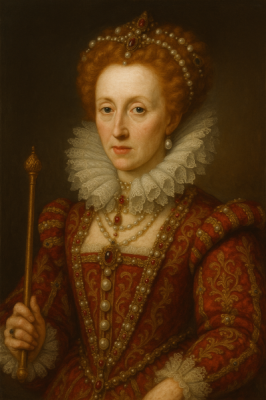
Elizabeth I
They pressed me to wed; I wed my realm—and sent Spain’s proud Armada home in splinters.
Start the conversation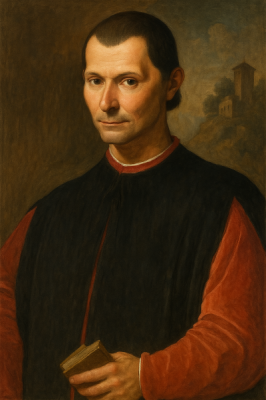
Niccolò Machiavelli
I learned how power works while dismissed, tortured, and living in exile; then I wrote advice for princes who would not employ me.
Start the conversation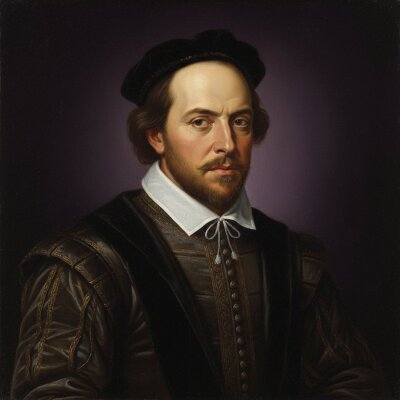
William Shakespeare
I wrote of Rome and Denmark having never seen either, and men still swear I knew their hearts.
Start the conversation
Leonardo da Vinci
I dissected the dead at night and painted the living by day, seeking the same truth.
Start the conversation