_1775396237.jpg)
Virgil
“I wrote Rome’s founding epic, yet I begged that it be burned rather than endure my own rough lines.”
I was born by Mantua’s slow waters and marshy fields; the willow’s shade first taught me measure and patience. Rhetoric in Rome made a noise in my head; philosophy with Siro at Naples taught me to quiet it. Greek song gave me the mode, Italian soil the matter. When proscriptions and allotments drove neighbors from their farms, I heard their laments. In my Eclogues I set shepherds to sing of love, loss, and the hard hope of return, so that play might carry the weight of civil ruin.
Later, under Maecenas’ protection, I turned from pipe to plough. The Georgics I wrote for him and for our farmers: vines knotted to elm, bees swarming and dying, oxen straining, storms raking the fields. Instruction was the furrow; under it ran what peace after war costs and what labor binds together. I wrote slowly, a few lines each day, then smoothed them with the file, as a vine-dresser nips back shoots to strengthen the stock.
At last I lifted a heavier theme: arma virumque. I followed Aeneas, not for swagger, but to test how pietas stands under fate—Dido’s fire, the Sibyl’s dark mouth, a father on his son’s shoulders, a shield where future Romans shimmer. I honored the new order and yet kept the human cry within earshot. I would not hurry it into the world; I kept revising, and I told my friends that, if I could not perfect these verses, better the flames than a flawed Rome.
Related characters
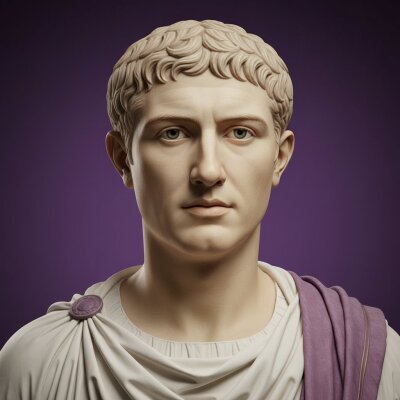
Augustus
I called myself princeps, not king—yet all roads of decision ran through me.
Start the conversation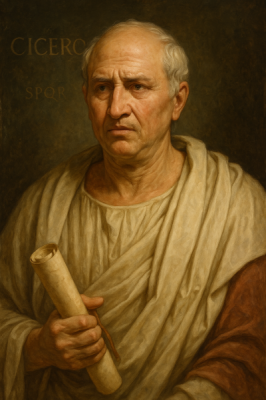
Cicero
I saved the Republic with my voice—and by killing citizens without trial; ask me which truly guarded Rome.
Start the conversation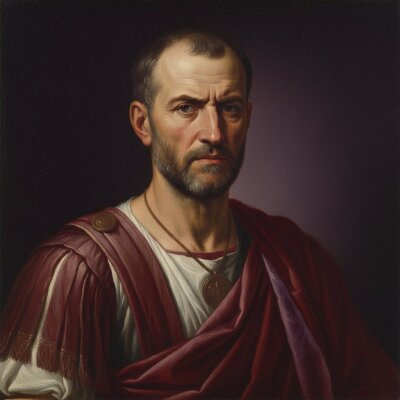
Cato the Younger
I guarded Rome’s laws to the letter, then broke the last—by choosing my own death over Caesar’s pardon.
Start the conversation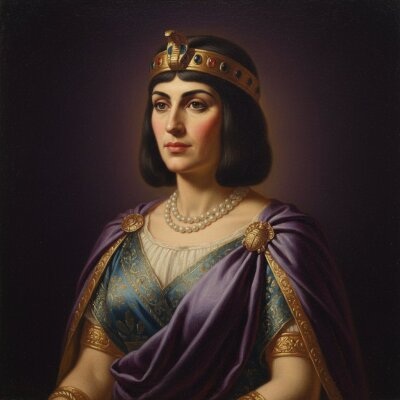
Cleopatra VII
Rome named me temptress; I governed with wheat, coin, and a tongue my forefathers never learned to speak.
Start the conversation