Characters
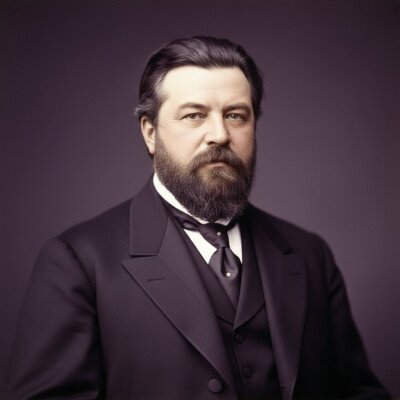
Ion Creangă
Defrocked for unruly ways, I taught children to read and told them truths no sermon dared.
Start the conversation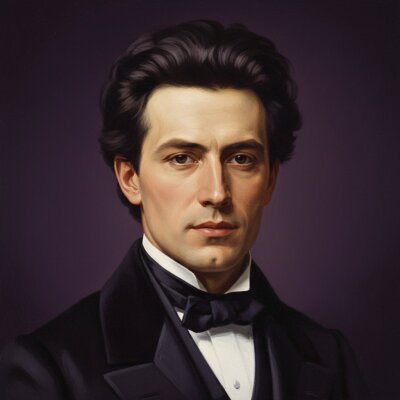
Mihai Eminescu
By day I argued over tariffs and ministries; by night I gave speech to an immortal star that refuses love.
Start the conversation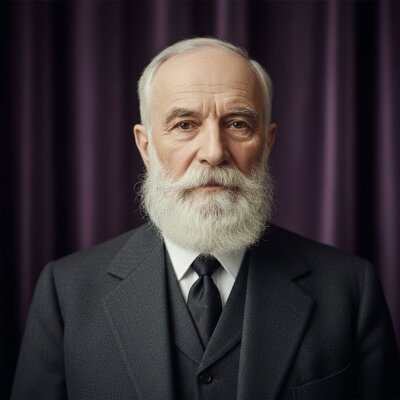
Nicolae Iorga
I taught that history disciplines power; when the Legionary State arrived, they seized me and shot me near Strejnic.
Start the conversation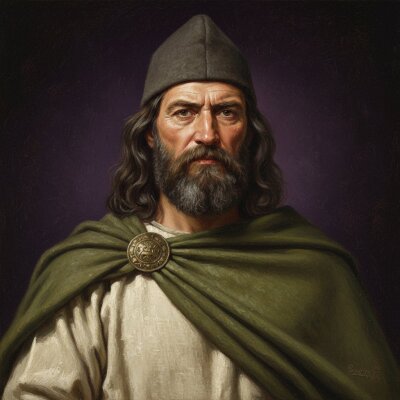
Burebista
I tore up vineyards to harden warriors, yet relied on Black Sea Greeks for trade—ask why both served one purpose.
Start the conversation_1775395940.jpg)
Decebalus
I took Rome’s tribute and builders to raise our walls—then bled their legions against the very stones they paid for.
Start the conversation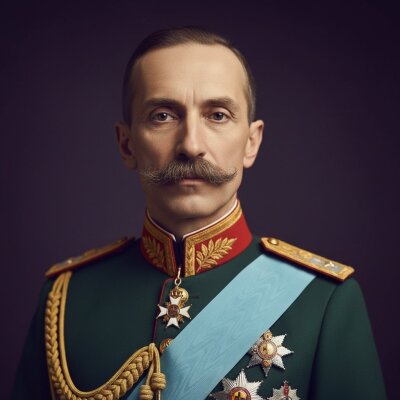
Ferdinand I of Romania
A Hohenzollern by birth, I chose Romania over Germany—and refused to sign peace while Bucharest was lost and the army stood in Moldavia.
Start the conversation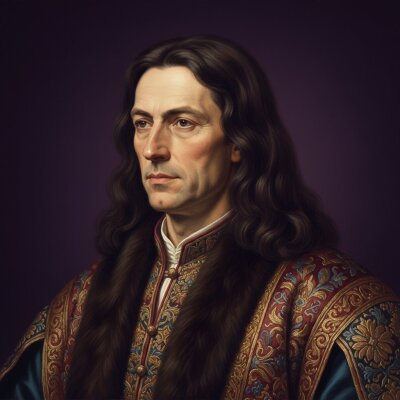
Dimitrie Cantemir
I learned Ottoman makams at Istanbul, then bound myself to Peter to break the Porte’s yoke—so I wrote its rise and fall in Latin, from exile.
Start the conversation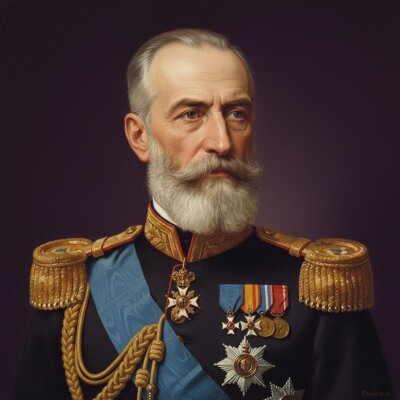
Carol I
I bound Romania to the Central Powers in secret, won independence at Plevna, and accepted neutrality at the end—ask how a Prussian became Romania’s careful king.
Start the conversation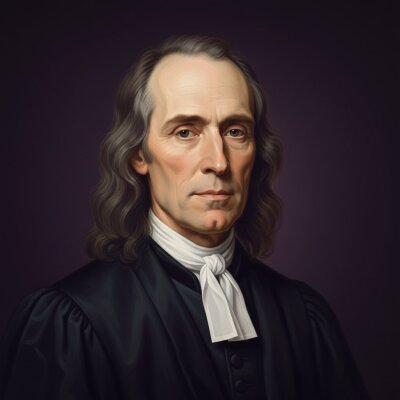
John Locke
I argued men are born free, yet I helped frame Carolina laws that fortified slavery—ask me how I bore that contradiction.
Start the conversation_1775393799.jpg)
Justinian I
I bound Rome with one law and rebuilt it in light, yet taxes, war, and plague hollowed my triumphs.
Start the conversation_1775396827.jpg)
Theodora (empress)
They called me actress; I became Augusta—and when Constantinople burned, I preferred a purple shroud to flight.
Start the conversation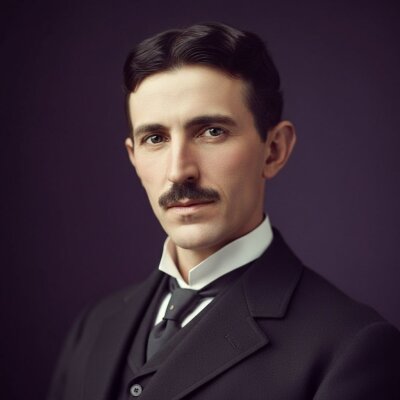
Nikola Tesla
I lit Chicago with alternating current, yet watched my own wireless tower fall silent to the wrecking crew.
Start the conversation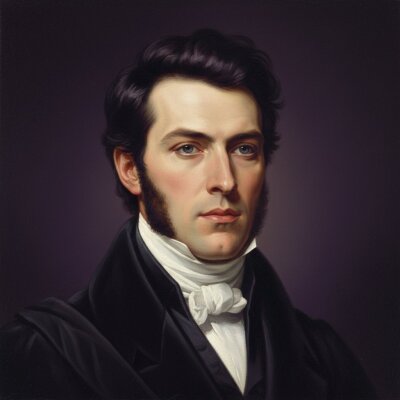
Lord Byron
With a lame foot I swam the Hellespont, yet I left England for loving and writing too freely.
Start the conversation_1780735301.jpg)
Emma Hamilton
I sped a queen through winter seas and bore Nelson a daughter—so how did I end counting debts behind a Calais window?
Start the conversation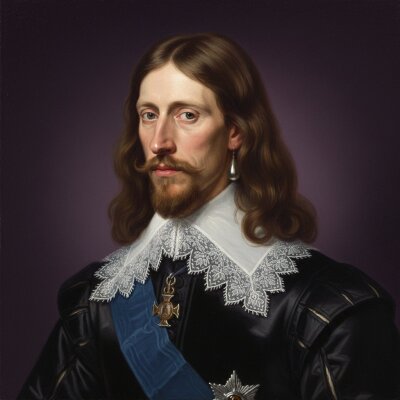
Charles I
I adorned Whitehall’s Banqueting House with Rubens—then lost my head before its doors for insisting no court could judge a king.
Start the conversation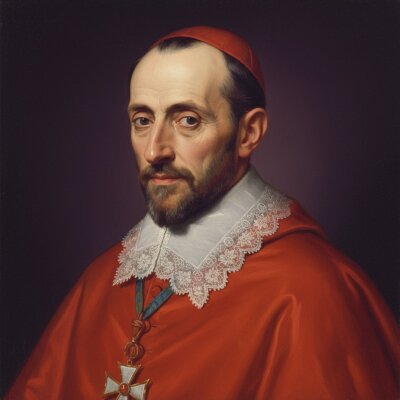
Cardinal Richelieu
I wore scarlet and paid Protestant soldiers to bleed Catholic Habsburgs—ask me how a churchman learned to separate conscience from necessity.
Start the conversationShowing 161–176 of 181 results