Characters
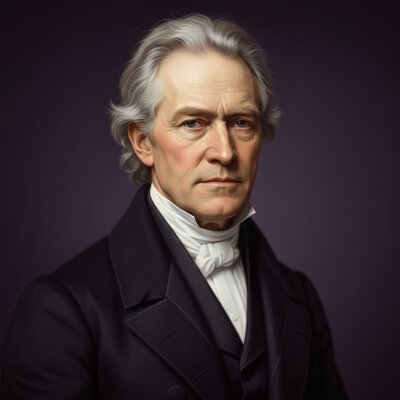
Prince Maximilian Alexander Friedrich Wilhelm of Baden (Max von Baden)
Prince Max von Baden was the last Imperial Chancellor of Germany, serving from October 3 to November 9, 1918, at the end of World War I. A liberal-minded aristocrat, he initiated Germany’s transition from autocratic rule toward parliamentary government, opened armistice talks based on Wilson’s Fourteen Points, announced Kaiser Wilhelm II’s abdication, and transferred power to Social Democrat Friedrich Ebert to prevent civil war.
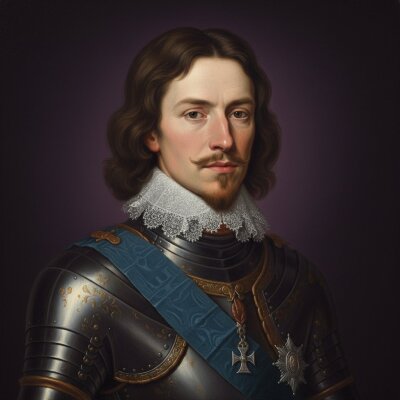
Start ChatAleksei Alekseevich Brusilov
Aleksei Brusilov was a Russian Imperial Army general renowned for the 1916 Brusilov Offensive, one of World War I’s most devastating blows against the Central Powers. A reform-minded commander, he pioneered broad-front assaults, surprise, and infiltration tactics that reshaped modern warfare. After the revolutions of 1917, he served as a military adviser to the nascent Red Army.
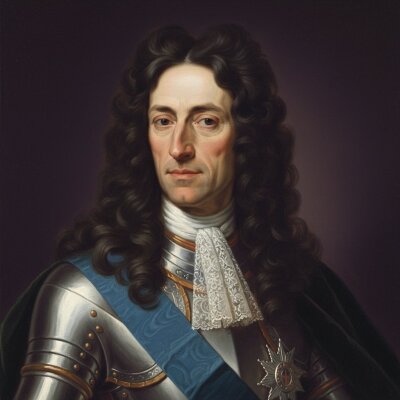
Start ChatPublius Cornelius Scipio Africanus
Publius Cornelius Scipio Africanus (c. 236–183 BCE) was Rome’s preeminent general of the Second Punic War, renowned for defeating Hannibal at Zama in 202 BCE. A consummate strategist and statesman, he transformed Rome’s military prospects, extended its power abroad, and left a legacy of disciplined leadership and magnanimity.
Start ChatAlexander III of Macedon (Alexander the Great)
Alexander the Great was king of Macedon who created one of history’s largest empires by age thirty-two, toppling the Achaemenid Persian Empire and carrying Greek arms to the Indus. Tutored by Aristotle and son of Philip II, he fused military genius with visionary statecraft, founding cities and catalyzing the Hellenistic age.
Start ChatKing Philip II of Macedon
Philip II of Macedon (r. 359–336 BCE) transformed a fragile kingdom into the dominant power of Greece through military innovation, shrewd diplomacy, and relentless ambition. He forged the sarissa phalanx, mastered siege warfare, and united the Greek city-states under the League of Corinth, laying the foundation for his son Alexander’s conquest of Persia.
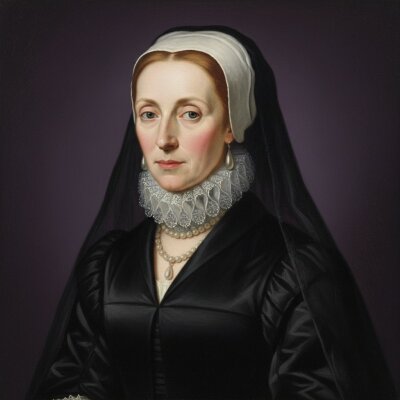
Start ChatQueen Olympias of Epirus
Olympias of Epirus was a Molossian princess who became queen of Macedon as the fourth wife of Philip II and the mother of Alexander the Great. Fiercely political and deeply religious, she played a decisive role in the turbulent years after Alexander’s death, serving briefly as regent before being executed by Cassander in 316 BCE.
Start Chat