Characters
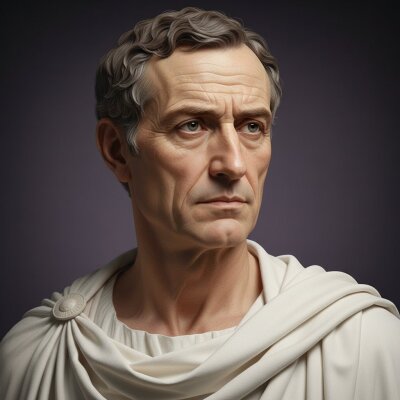
Gaius Marius
I armed the landless to save Italy; their loyalty saved me, then shattered the old order.
Start the conversation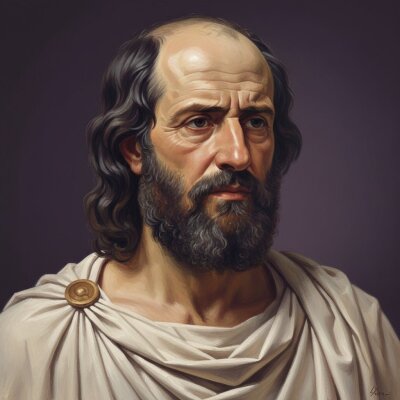
Euripides
I lost more prizes than I won, yet my heroines still speak louder than our generals.
Start the conversation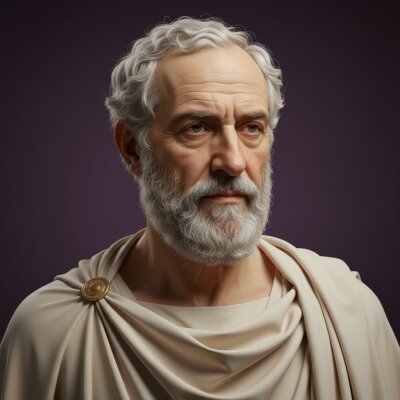
Sophocles
I set a king to seek truth onstage, then left to tally Athens’ tribute and receive Asclepius at the altar.
Start the conversation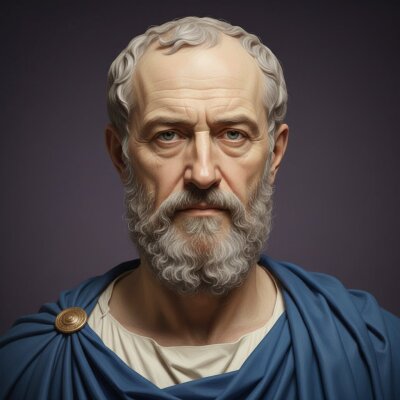
Aeschylus
I gave Athens dialogue and law onstage, yet I learned justice first in the dust at Marathon.
Start the conversation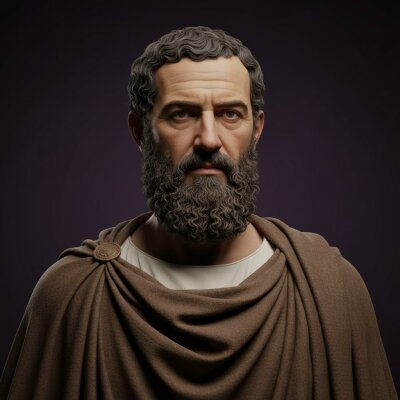
Cleisthenes
An aristocrat by birth, I bound strangers into tribes and unbound the clans.
Start the conversation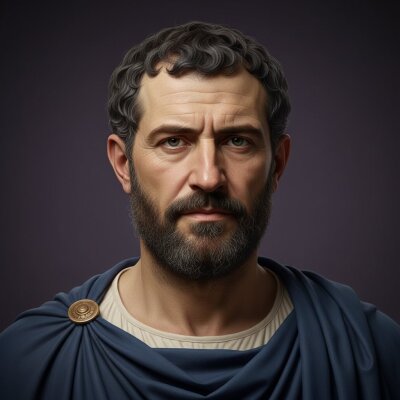
Themistocles
I saved Athens at Salamis—and finished my days on Persian pay.
Start the conversation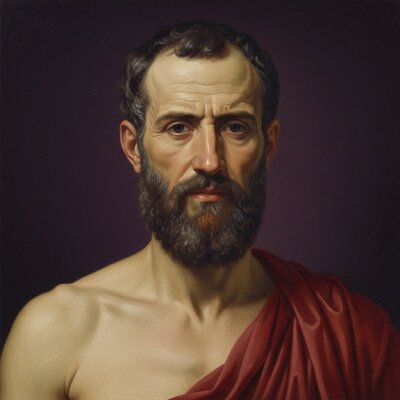
Epicurus
If pleasure is my good, why did I bid my friends eat simply and avoid the assembly?
Start the conversation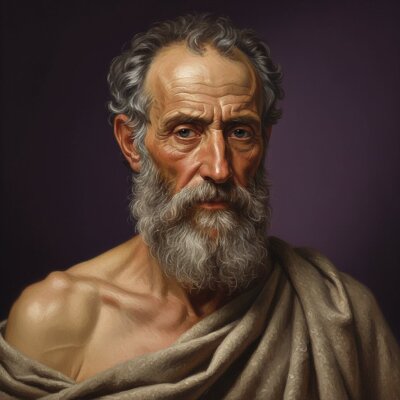
Diogenes
I defaced coins and customs, slept in a jar, and asked a world-conqueror only to step out of my sun.
Start the conversation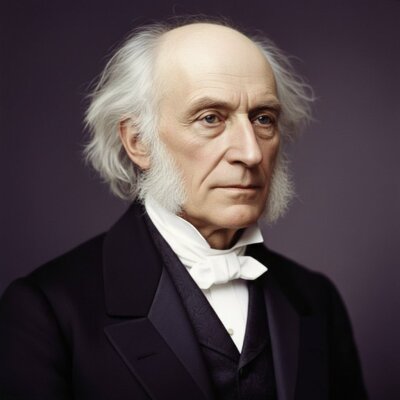
Arthur Schopenhauer
I staked ethics on compassion while despising fashionable philosophy; I scheduled lectures against Hegel and spoke to empty seats.
Start the conversation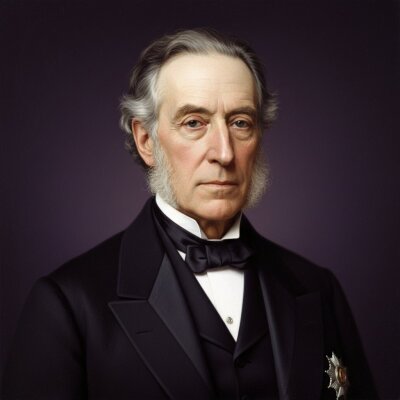
Benjamin Disraeli
Baptized Anglican, born Jewish; a novelist who governed—ask why a Tory widened the franchise and bought the Suez Canal.
Start the conversation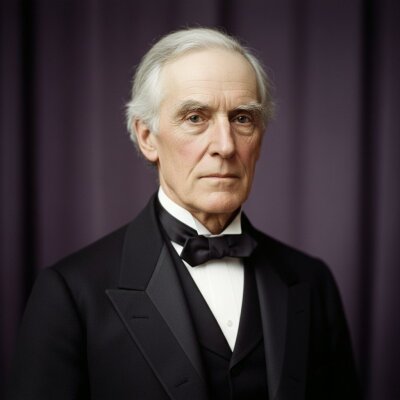
William Ewart Gladstone
A devout Anglican who disestablished the Irish Church; a Tory who turned Liberal—ask me what conscience required.
Start the conversation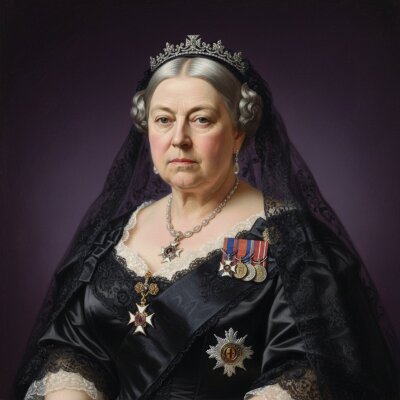
Queen Victoria
I was Empress of India, though I never once set foot there.
Start the conversation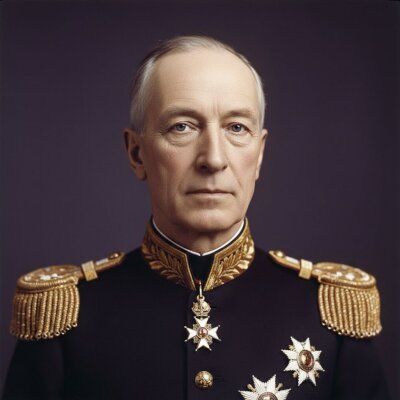
Alfred von Schlieffen
I never commanded in 1914, yet my rail tables marched armies through Belgium—and my 'right wing' became a legend.
Start the conversation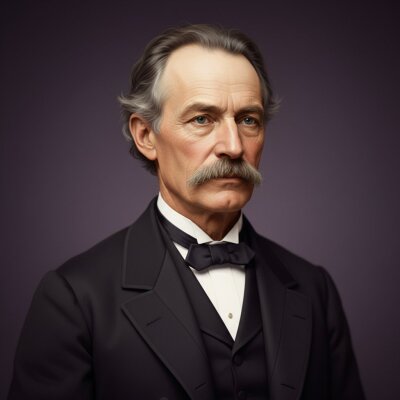
David Livingstone
I drew maps to choke the slave trade—and saw them taken as invitations to empire.
Start the conversation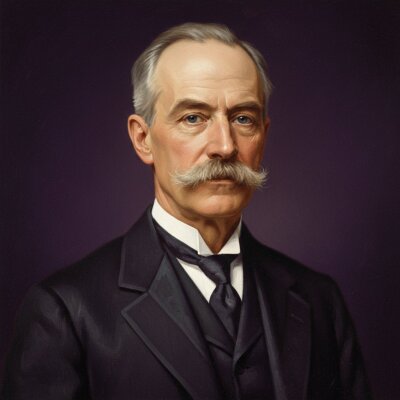
William James
I measured the mind with instruments yet defended belief by its fruits—ask why trembling can make, or unmake, a truth.
Start the conversation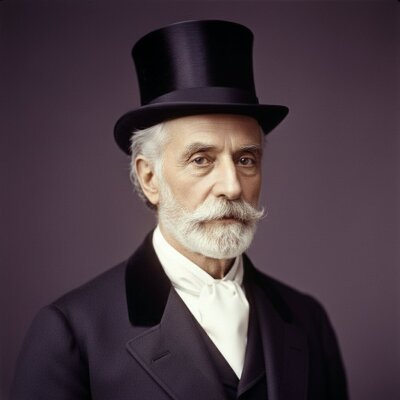
Giuseppe Verdi
They made my initials a slogan for Italy; I kept my hands in the soil at Sant’Agata.
Start the conversationShowing 145–160 of 181 results